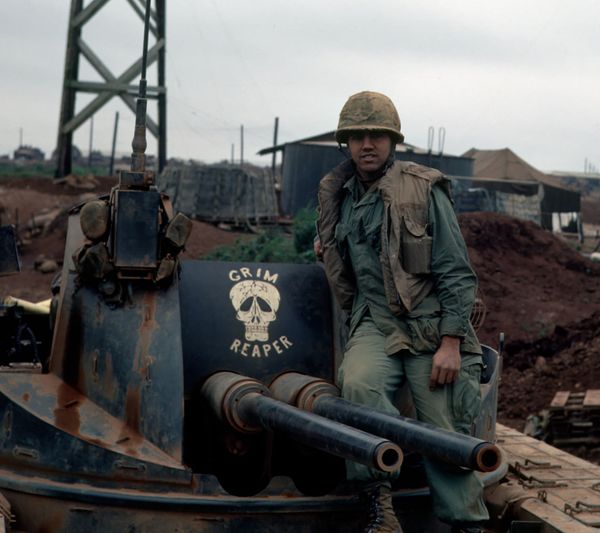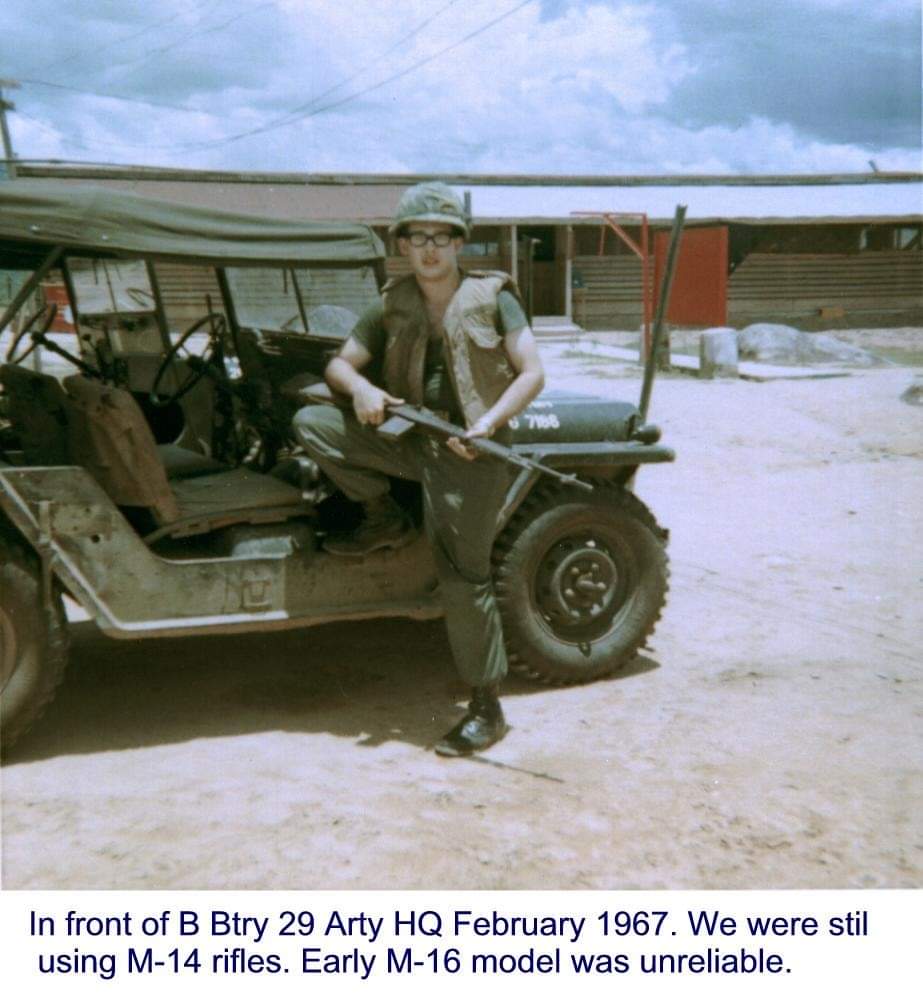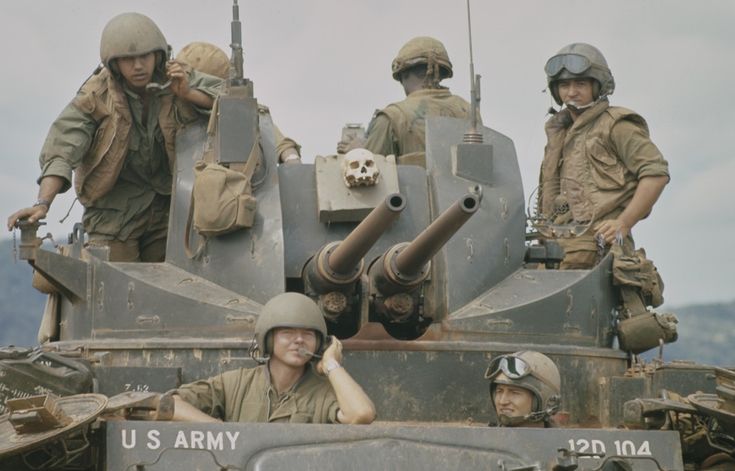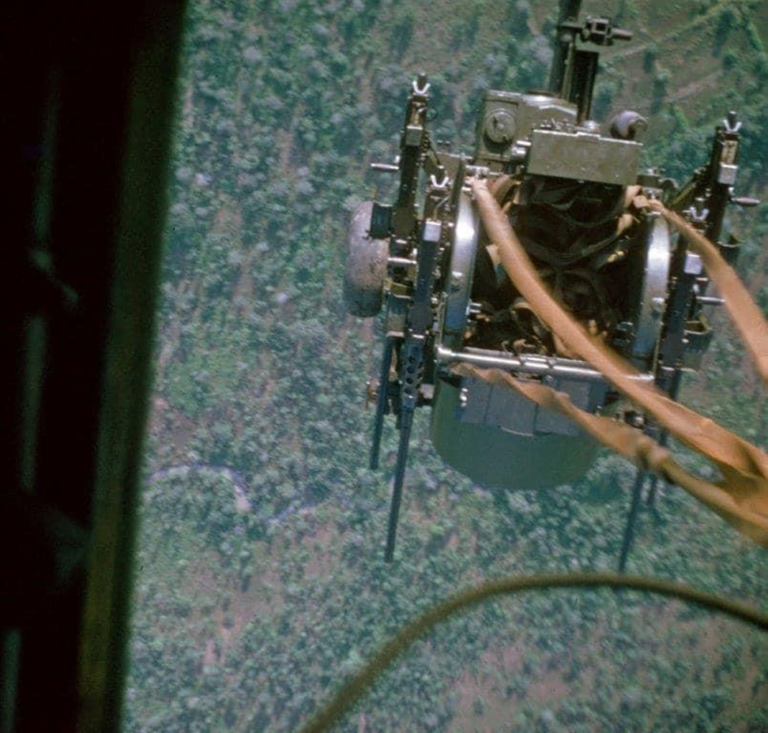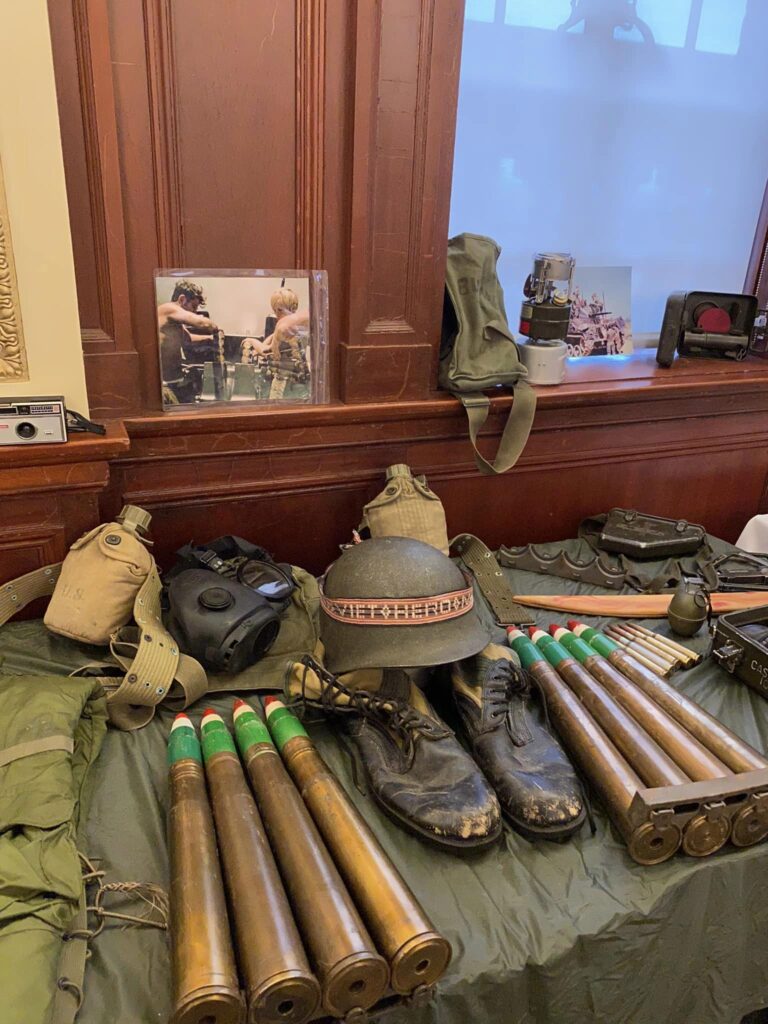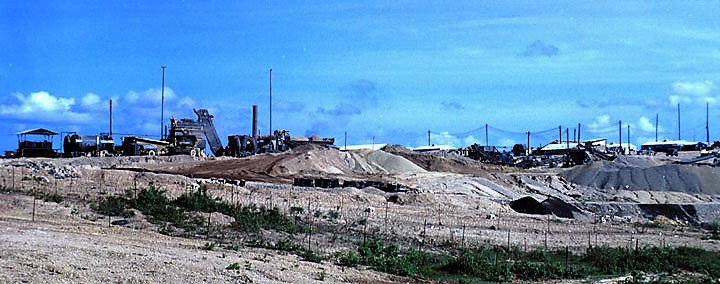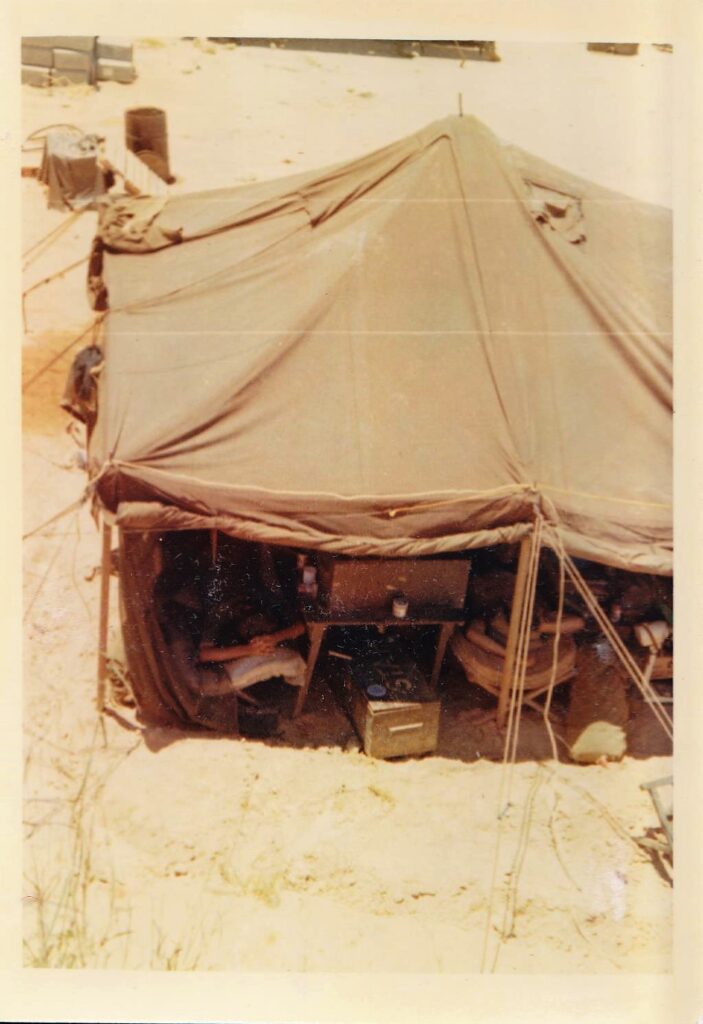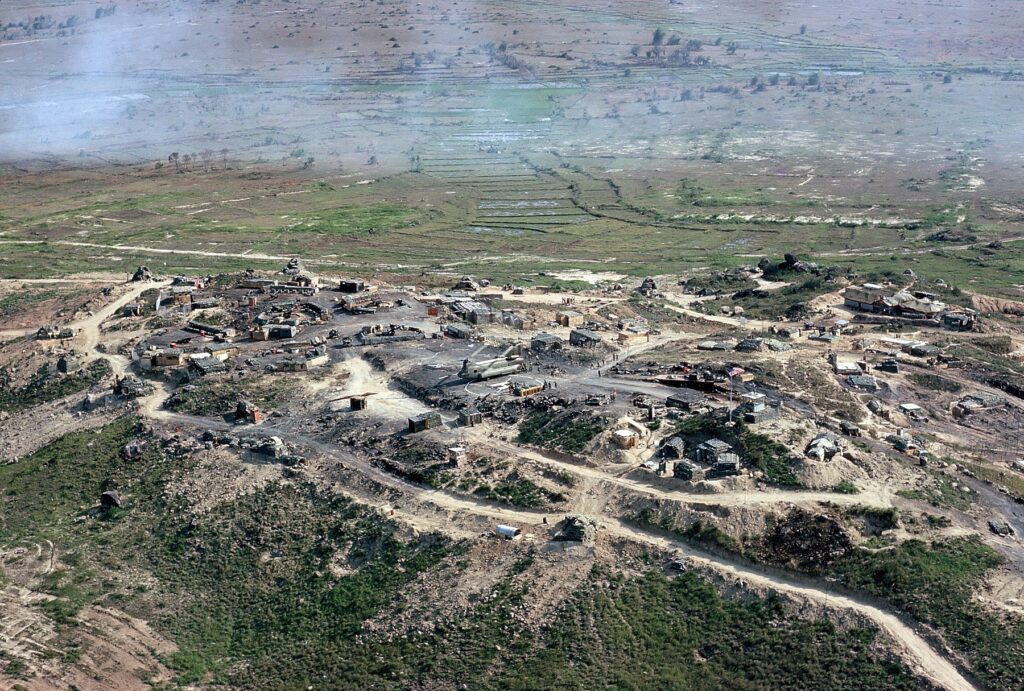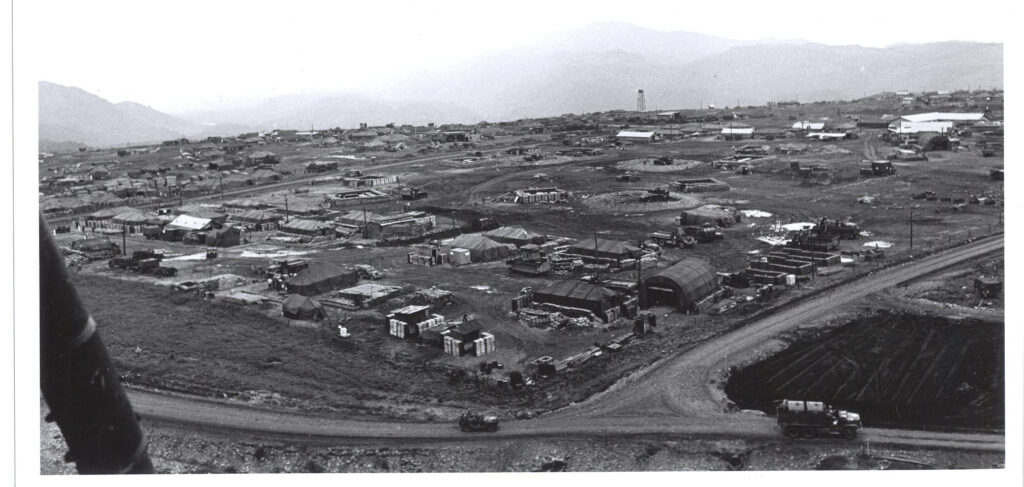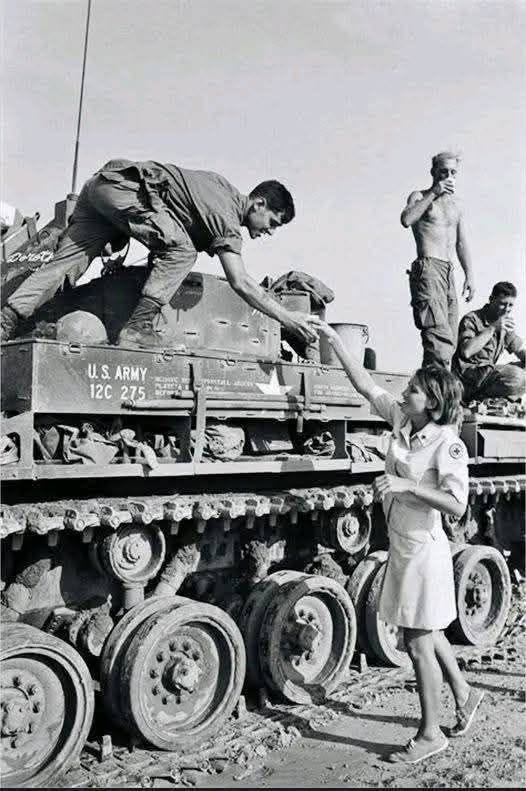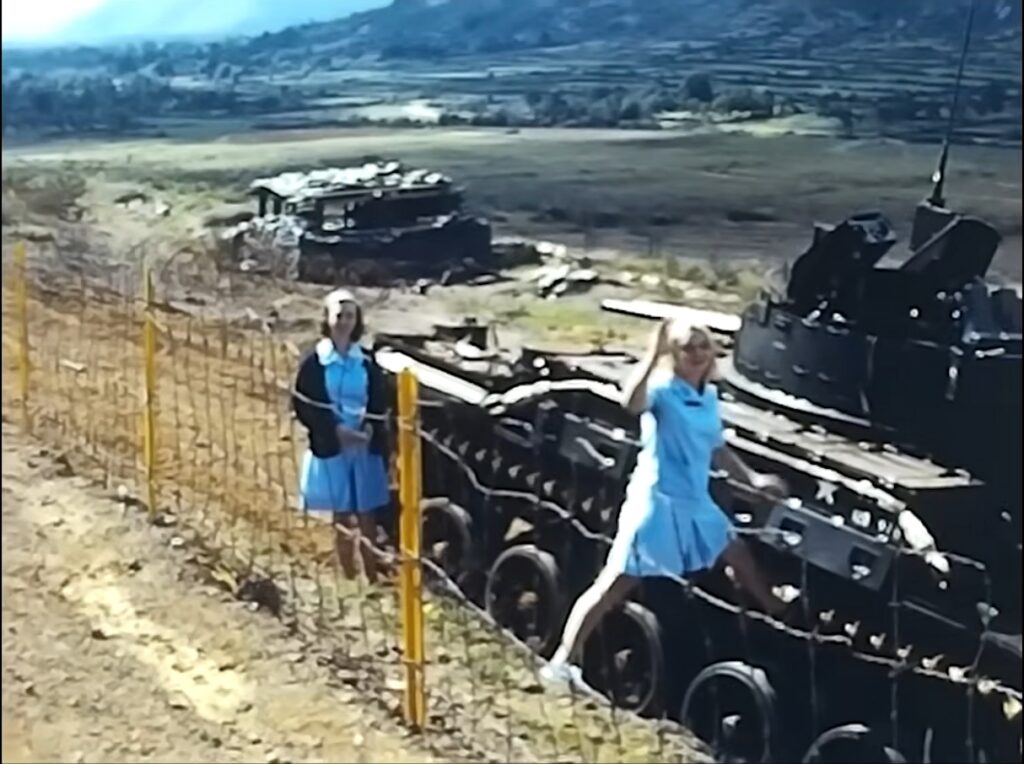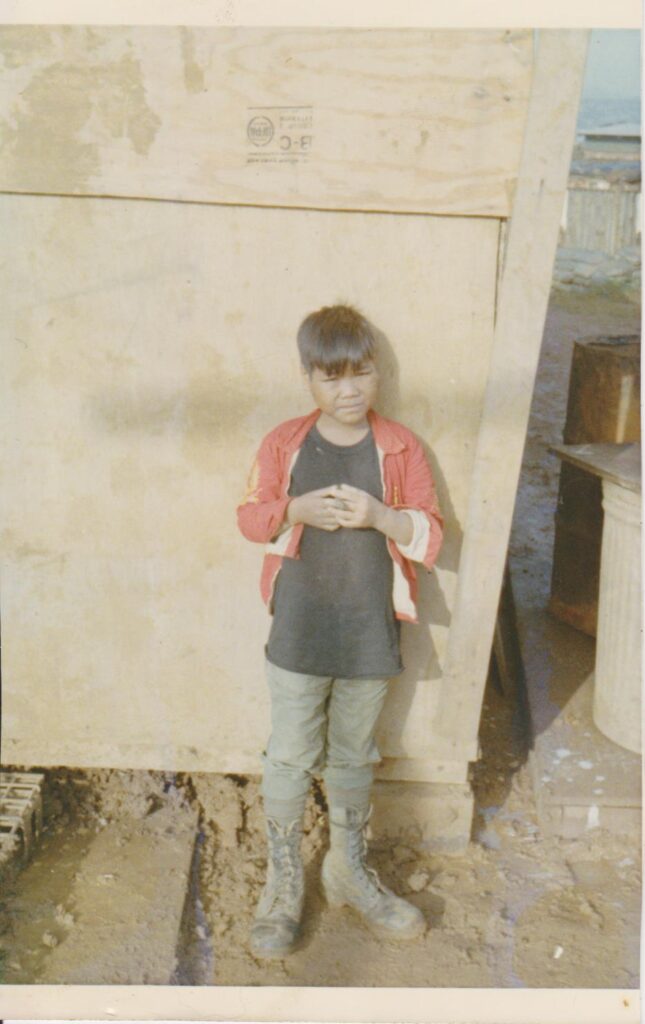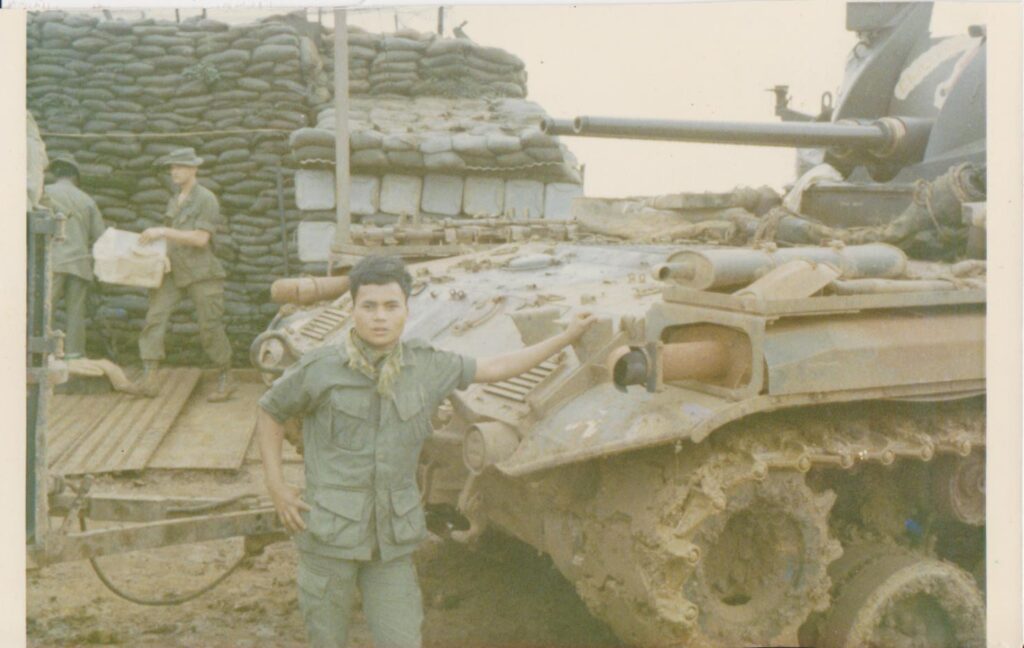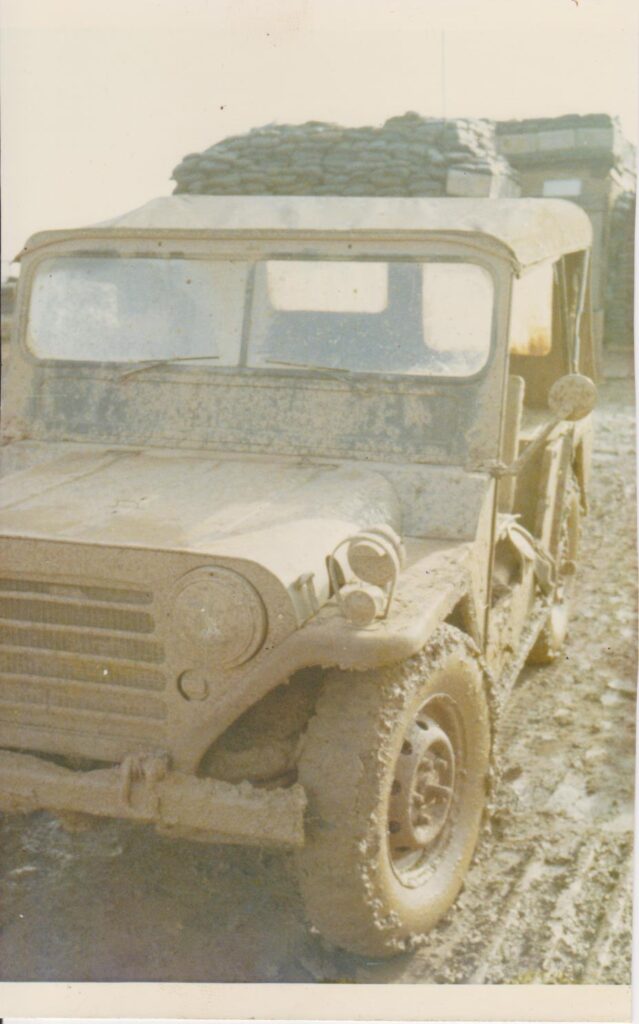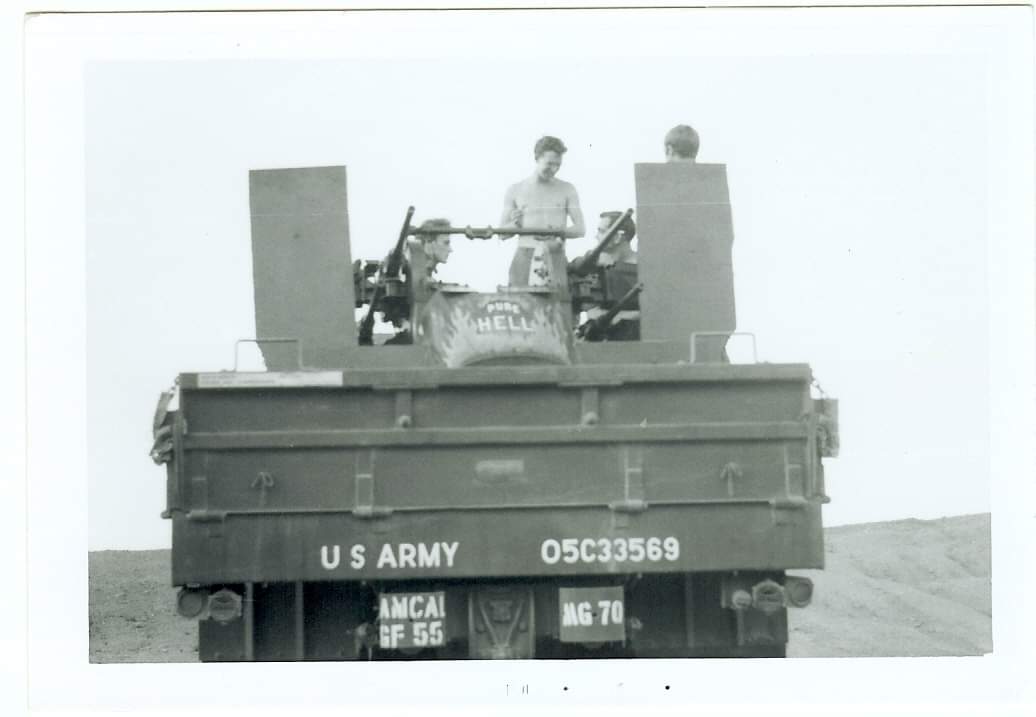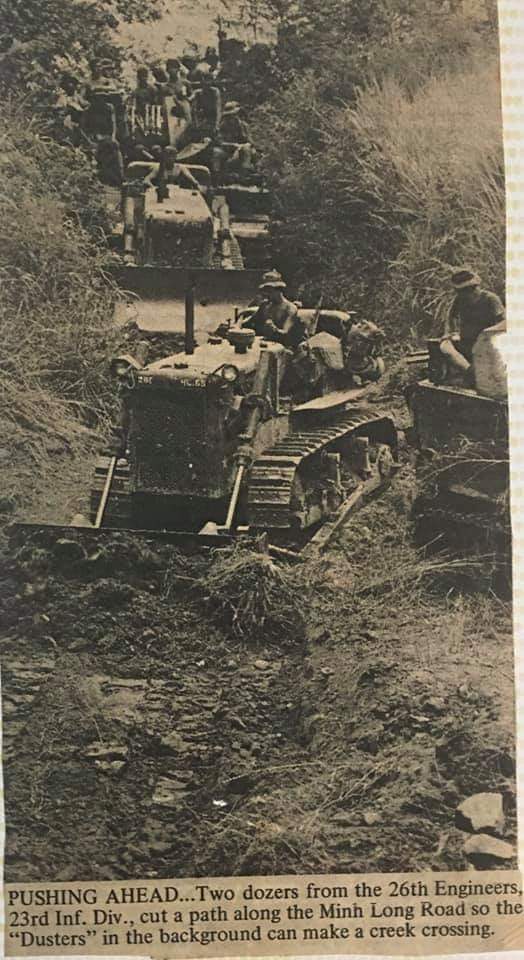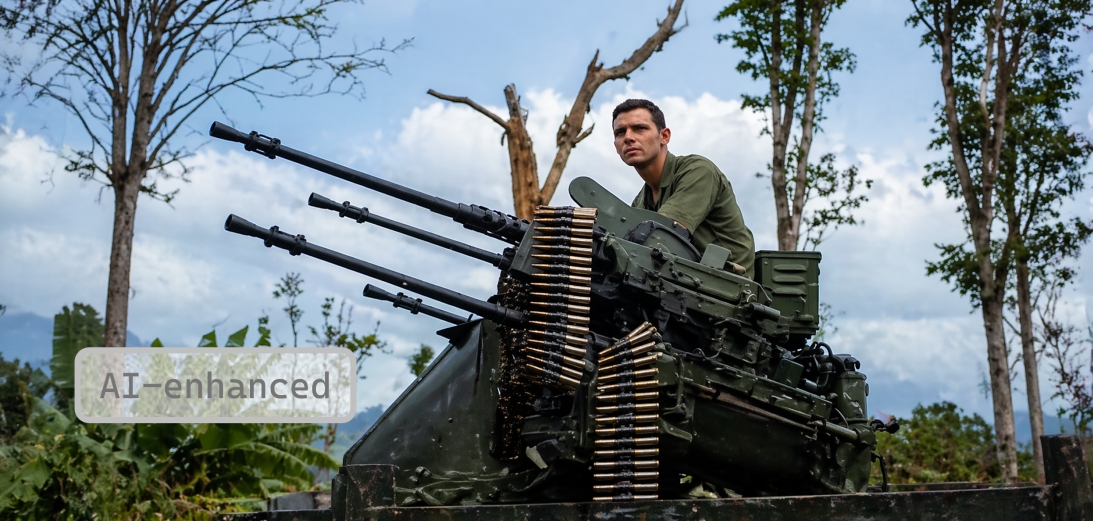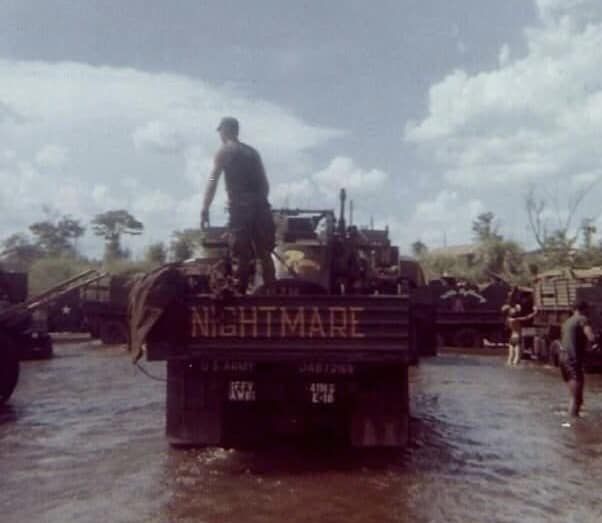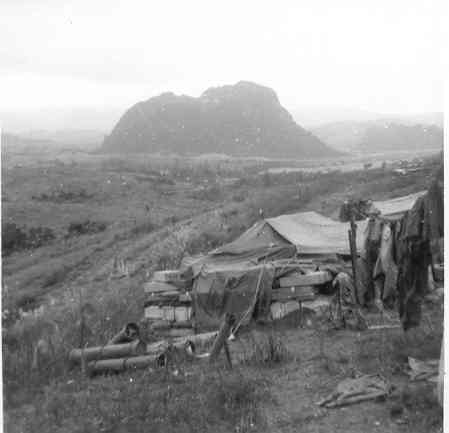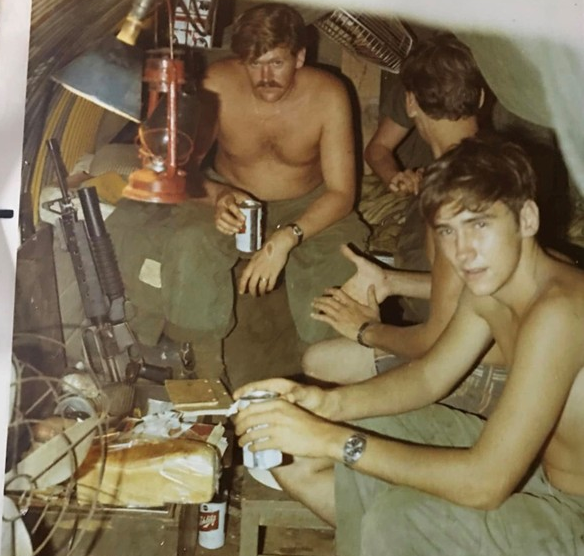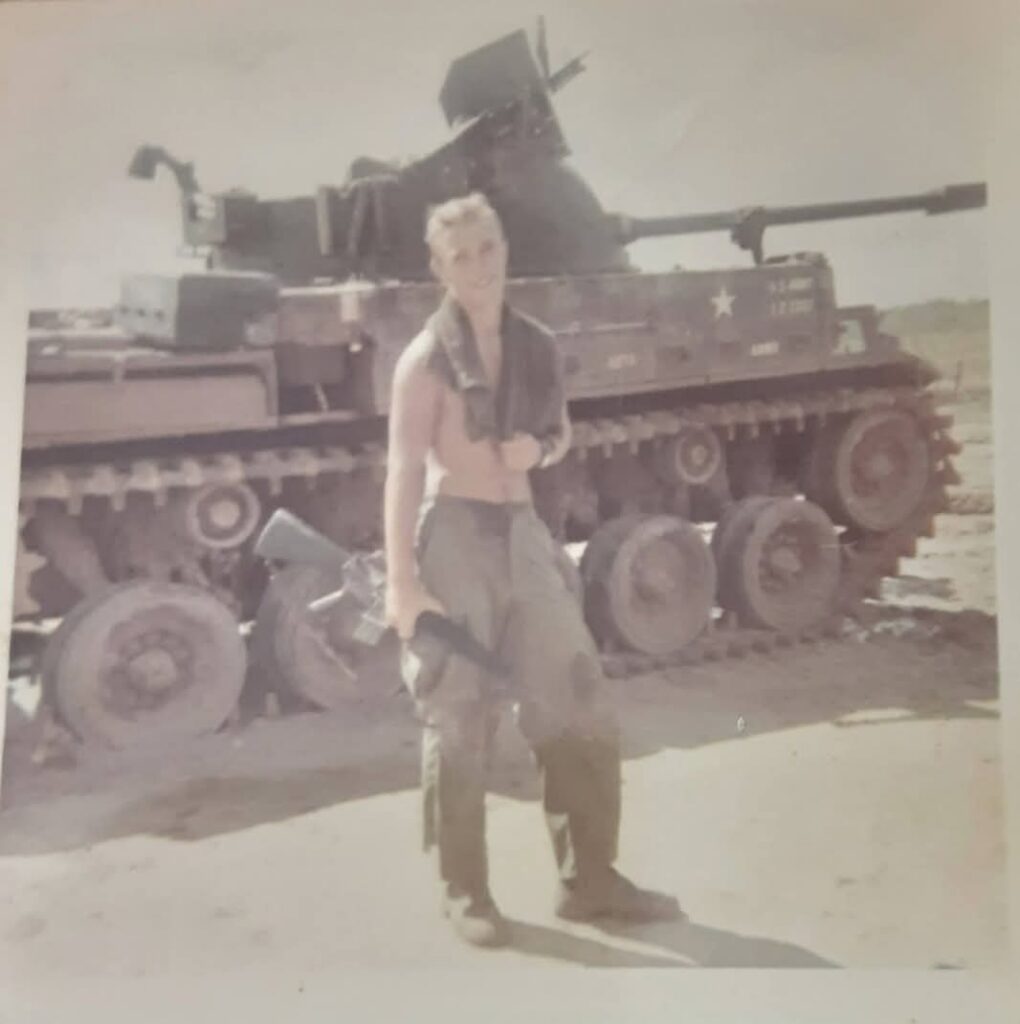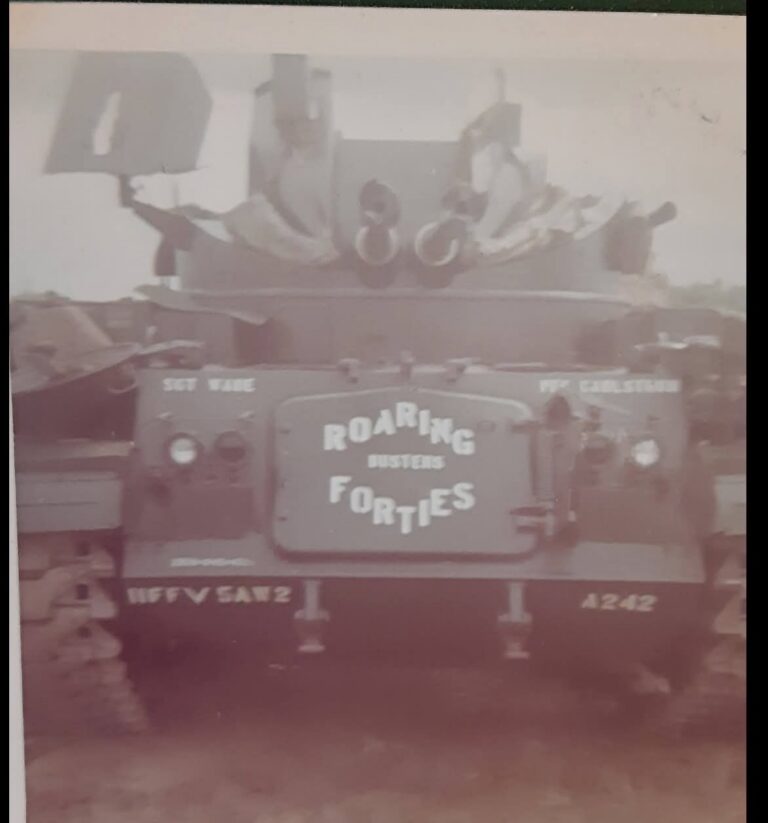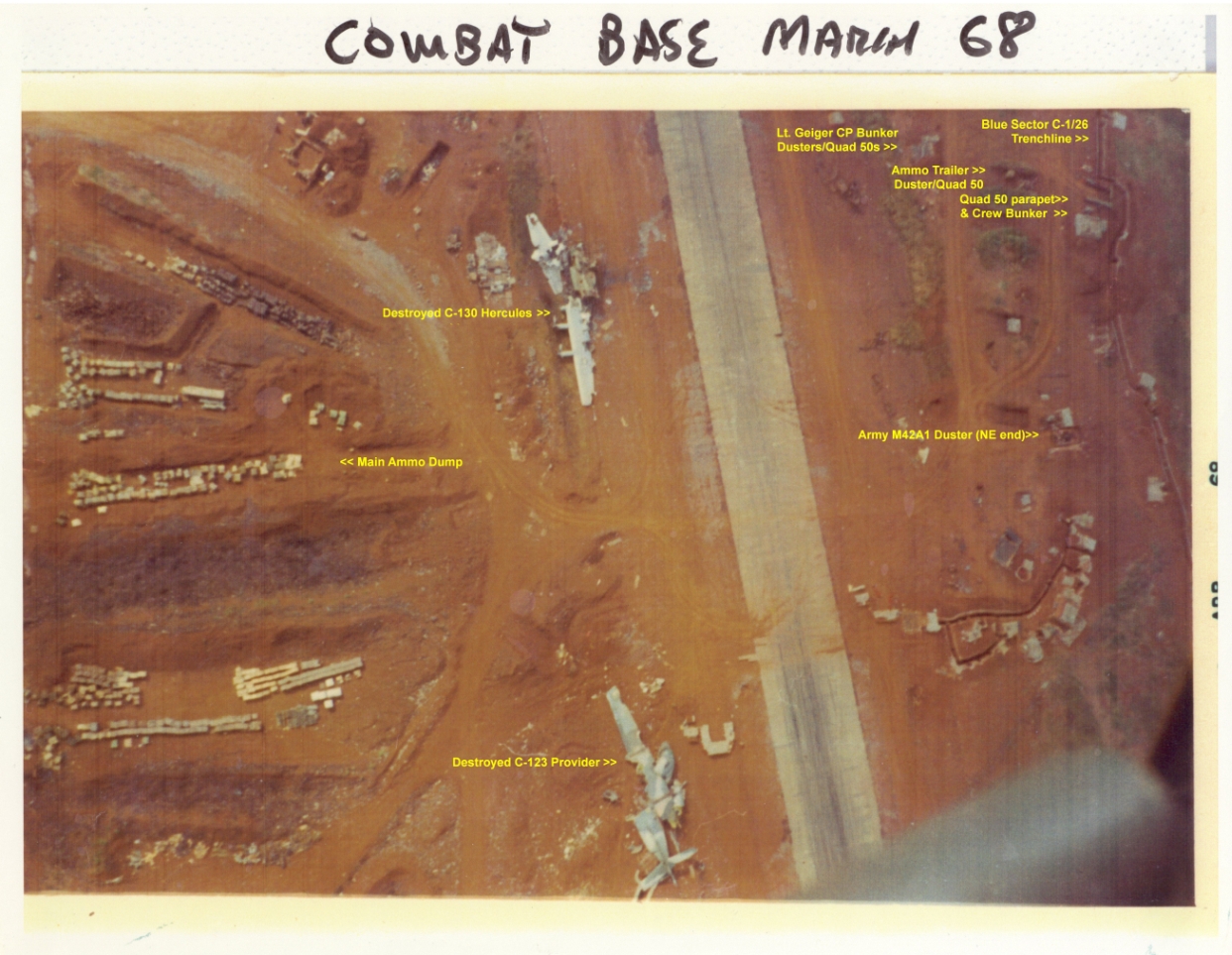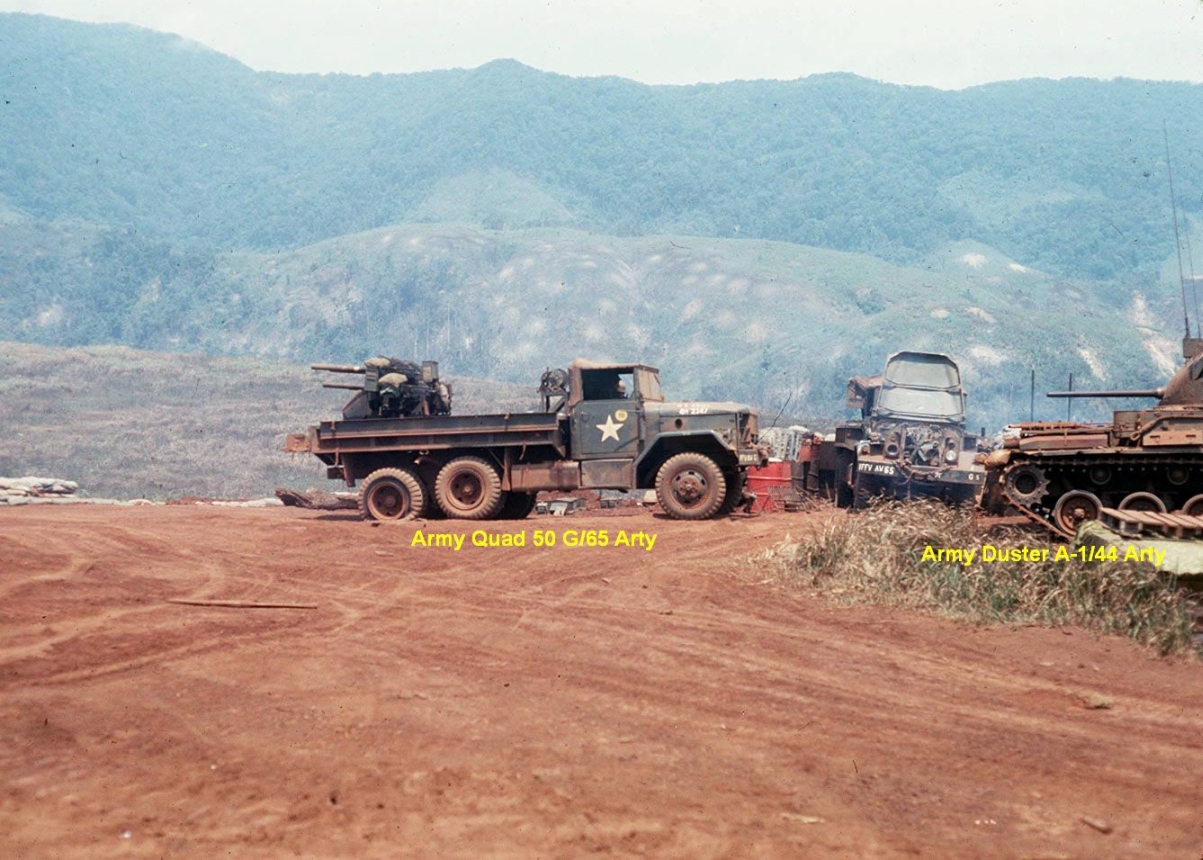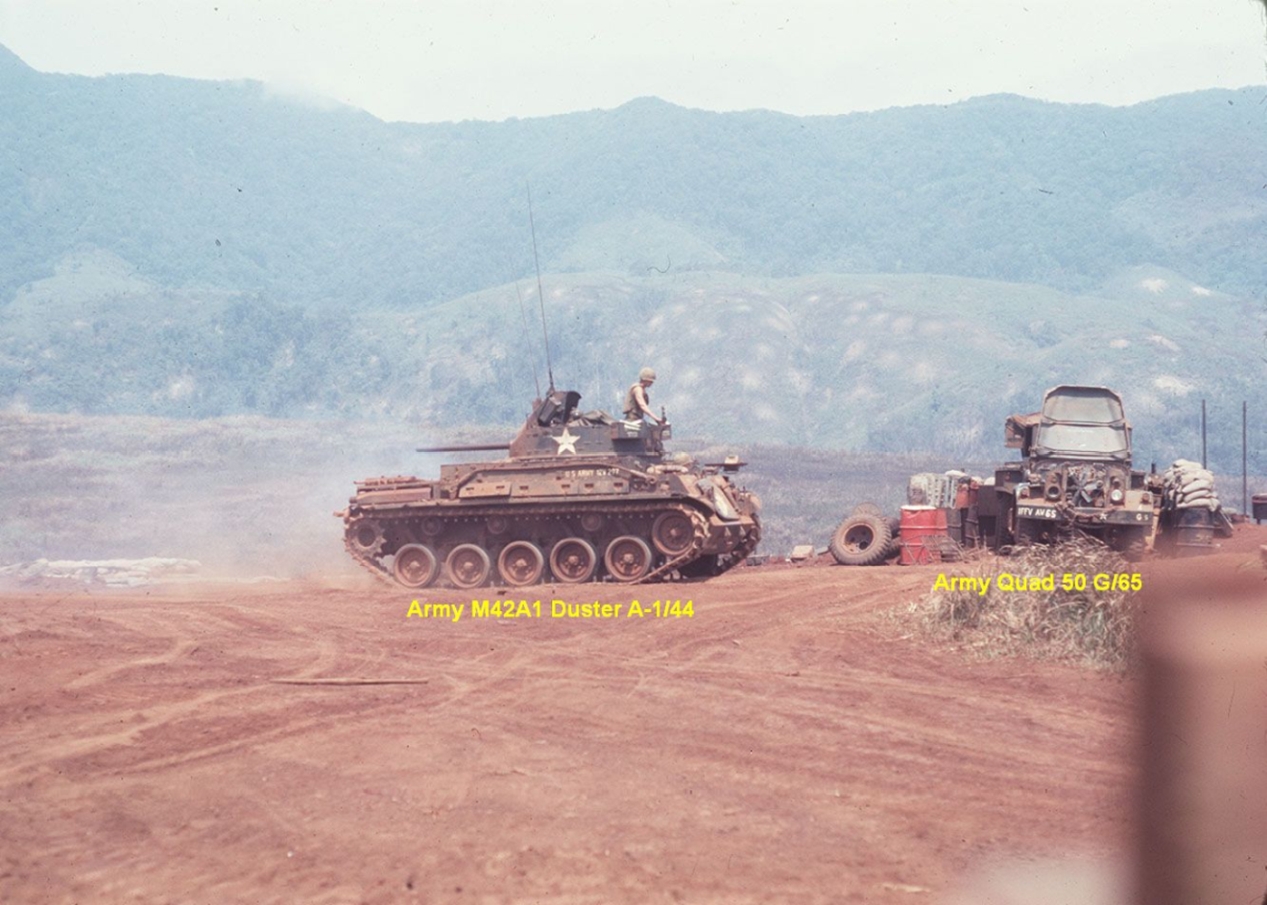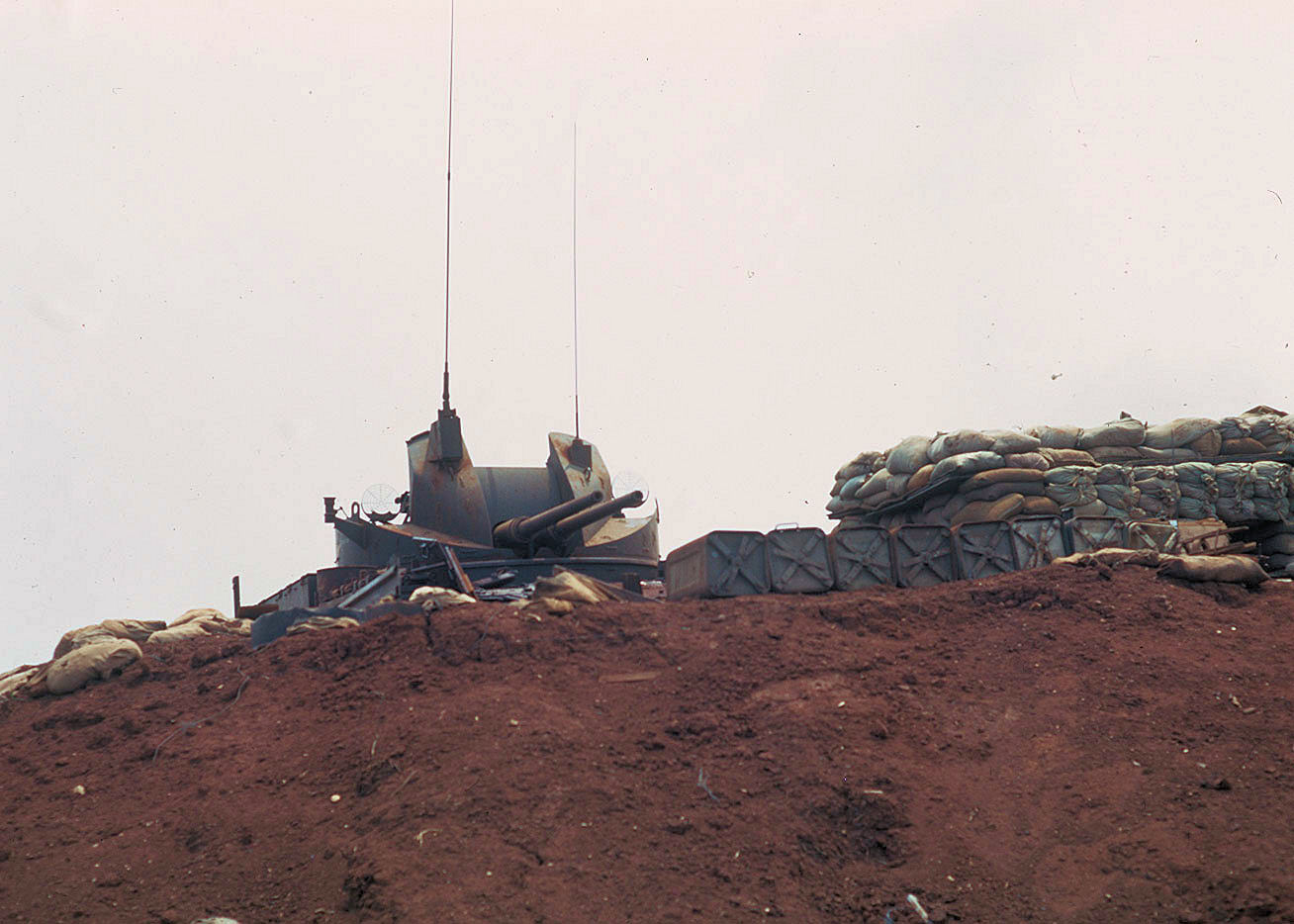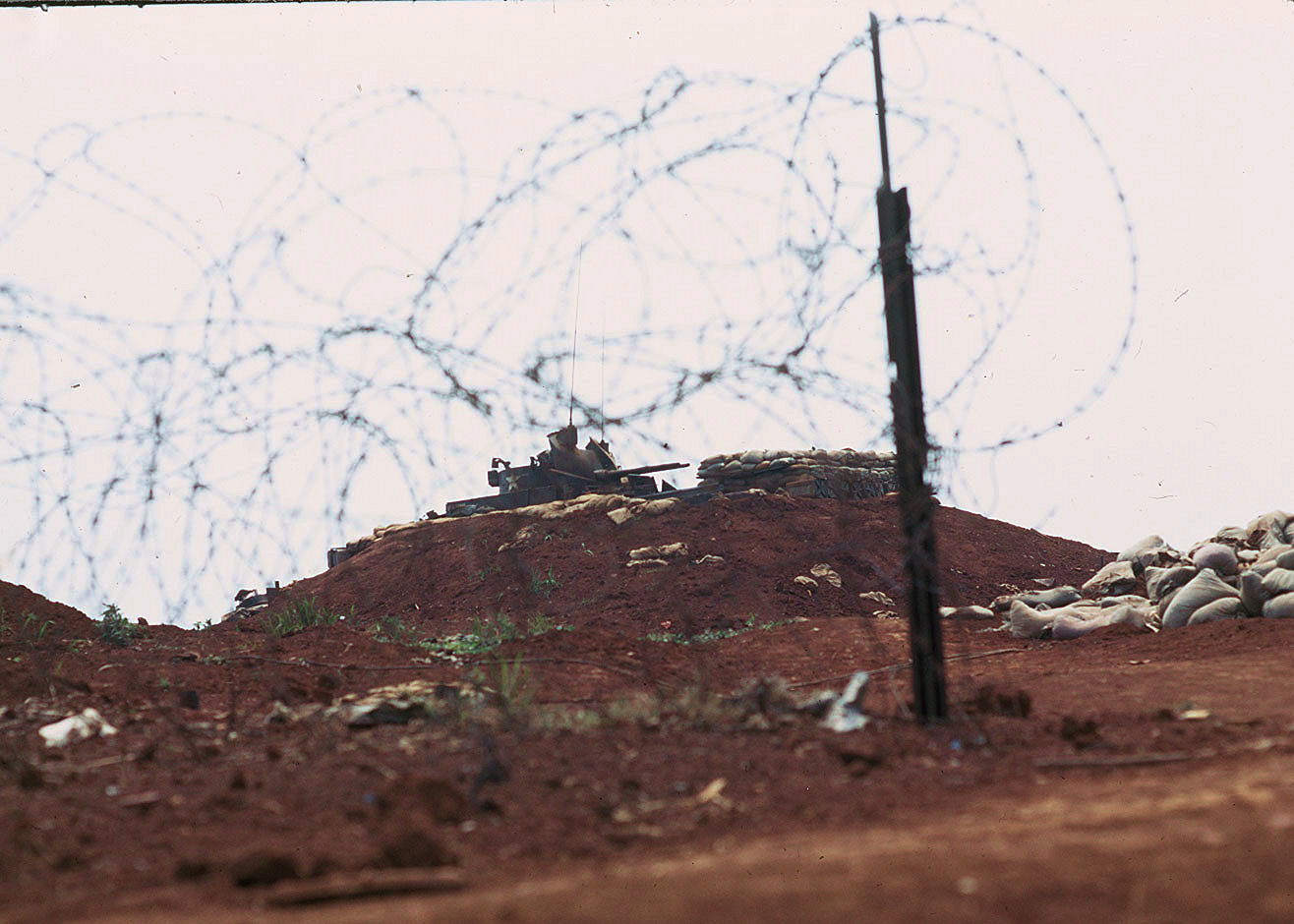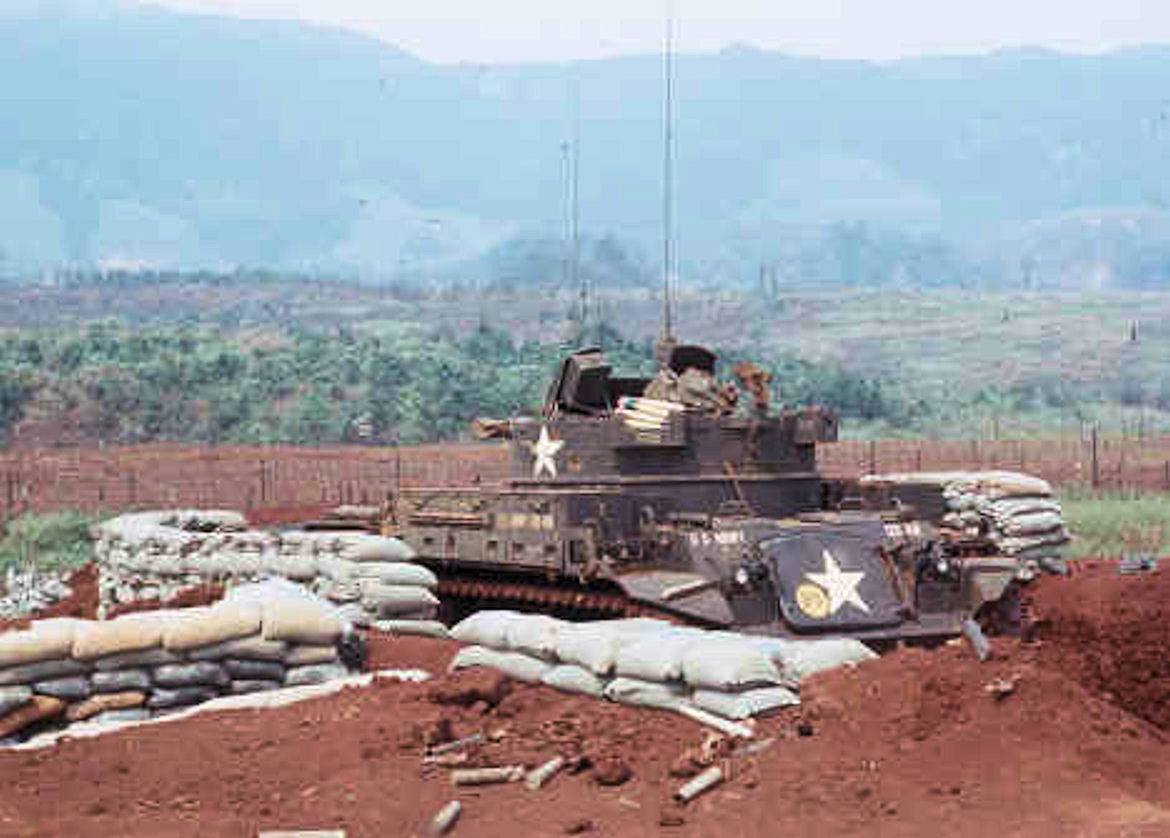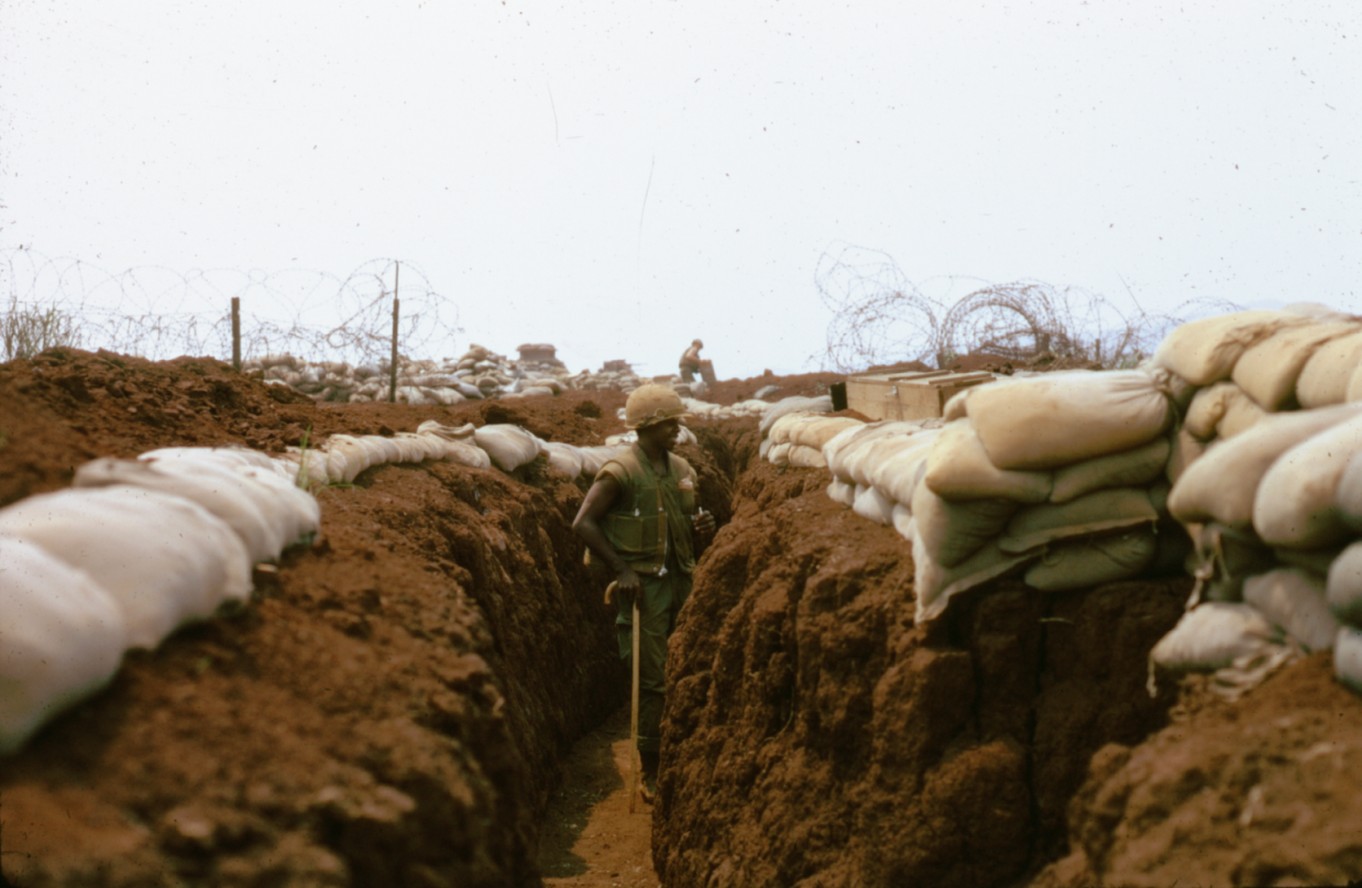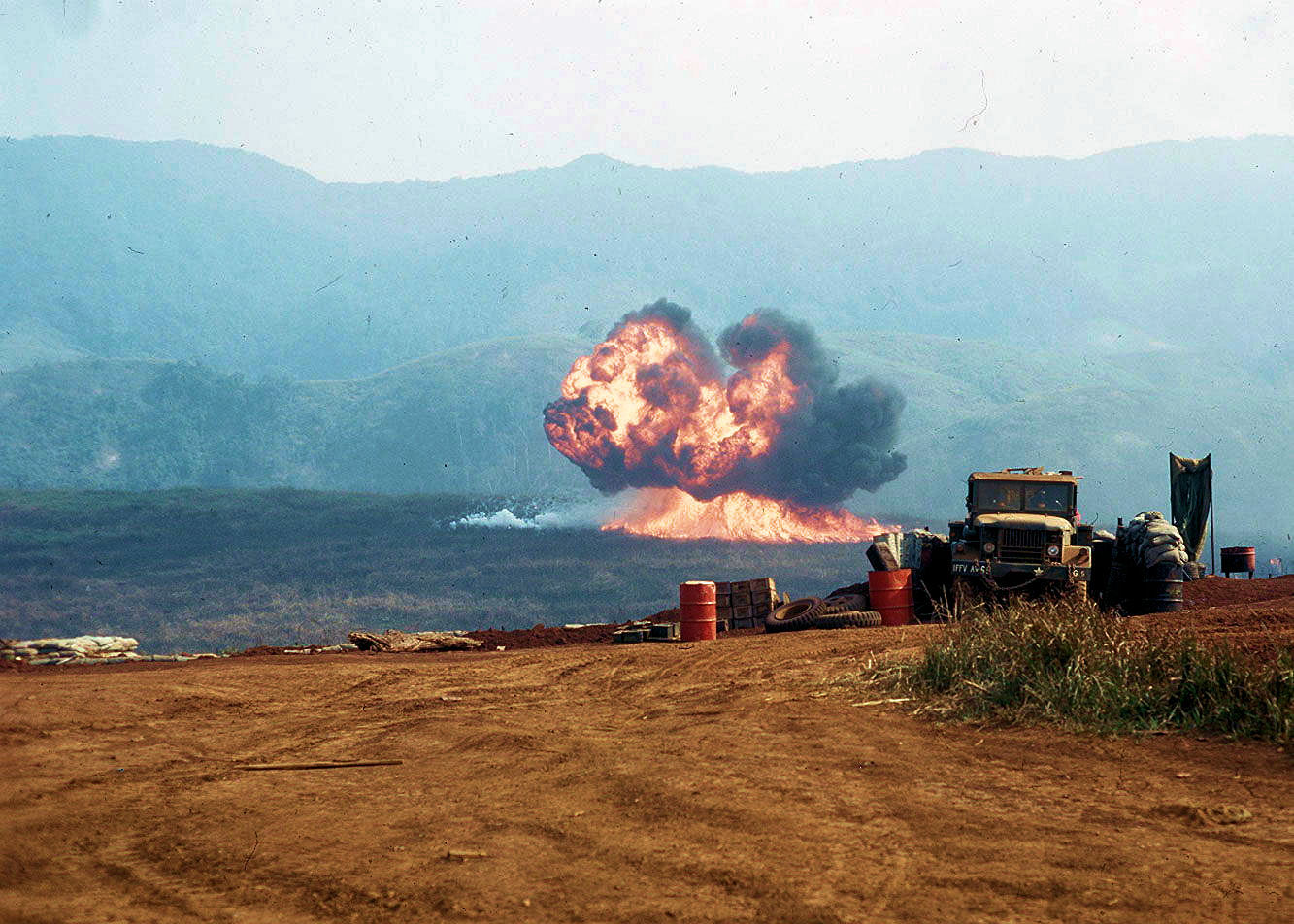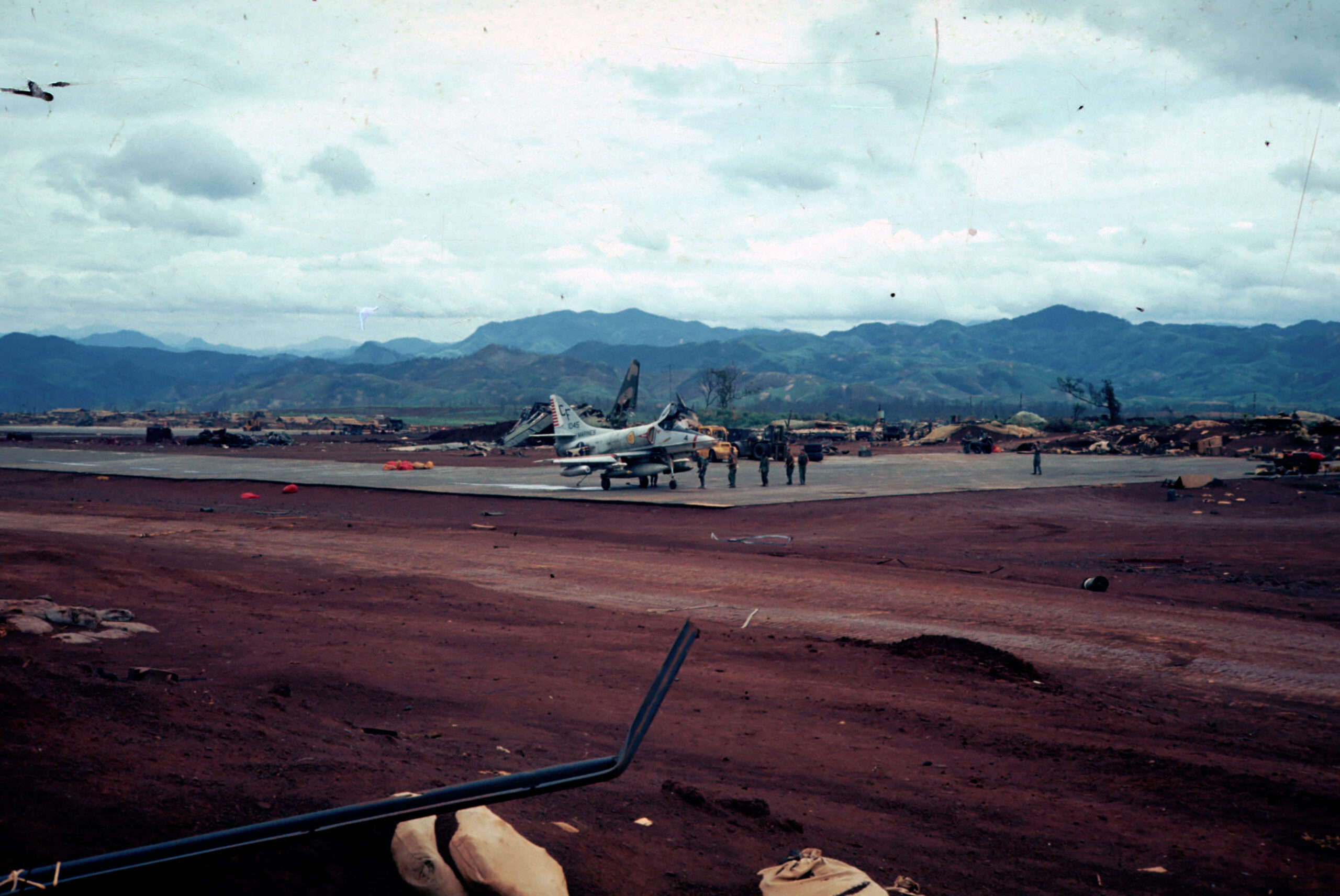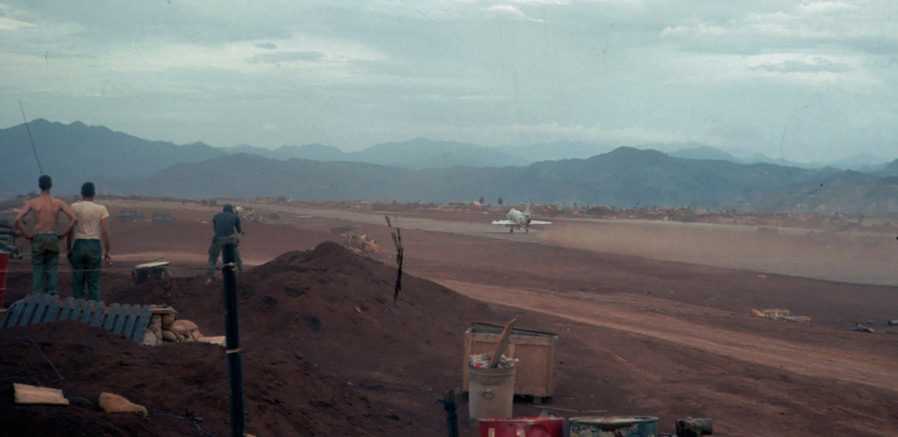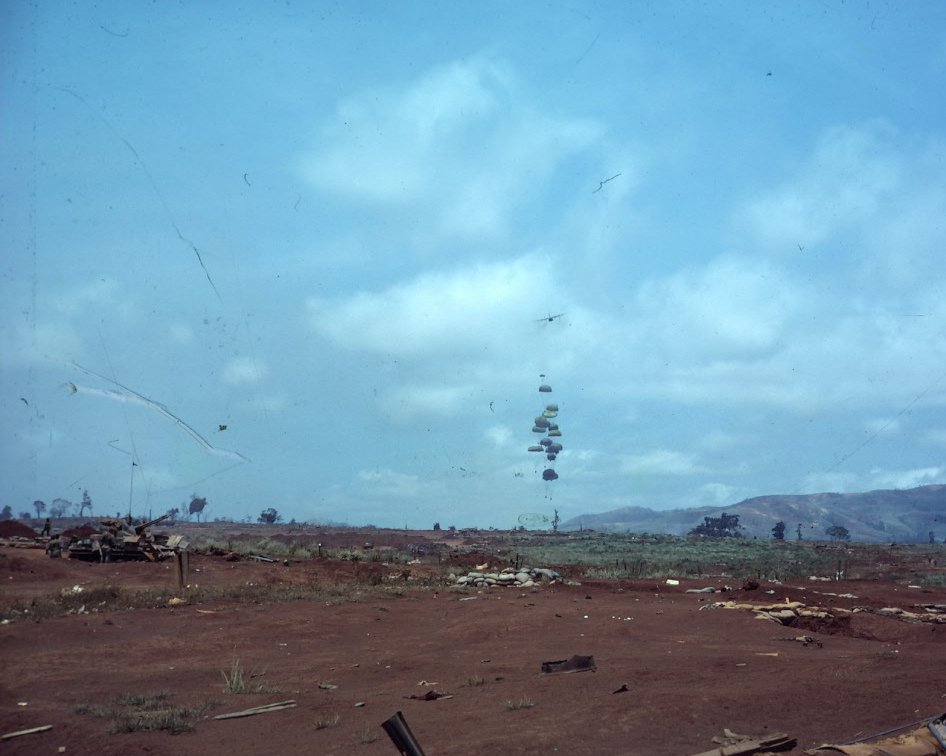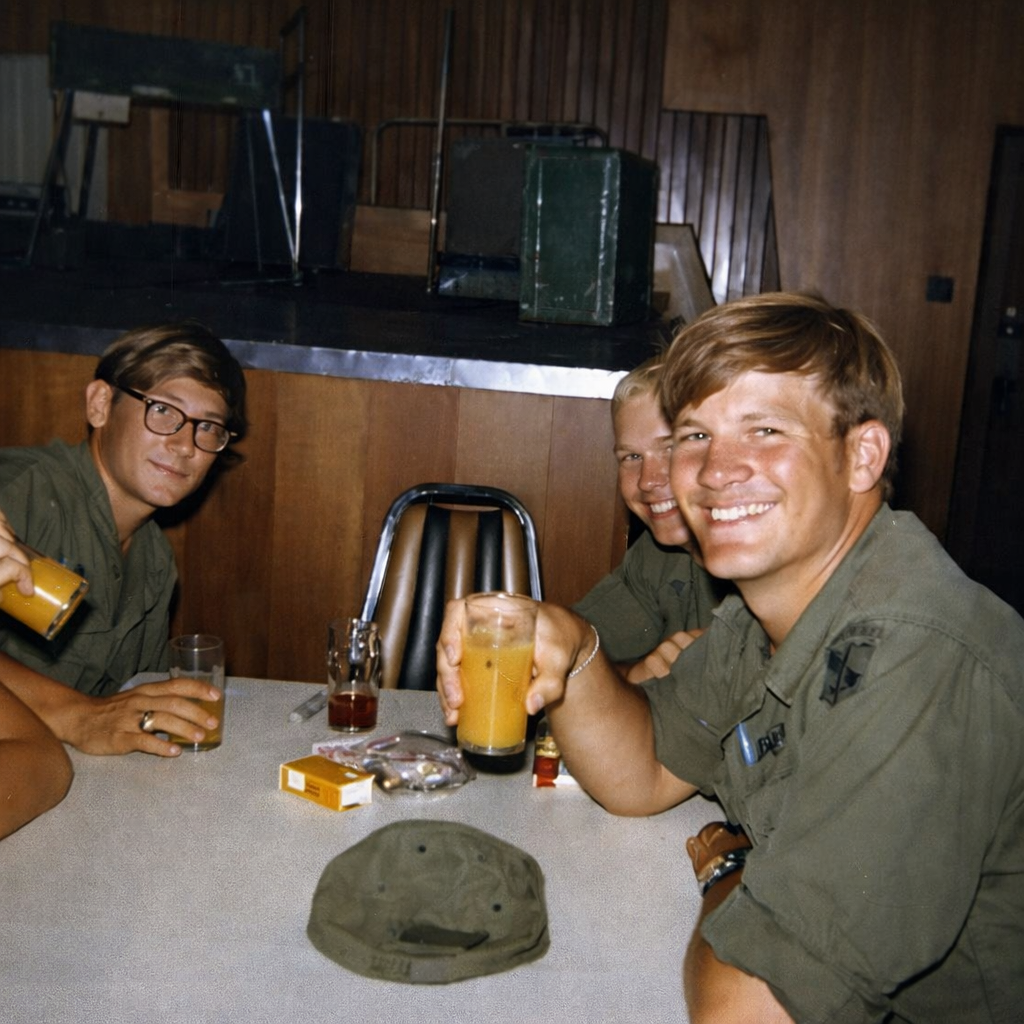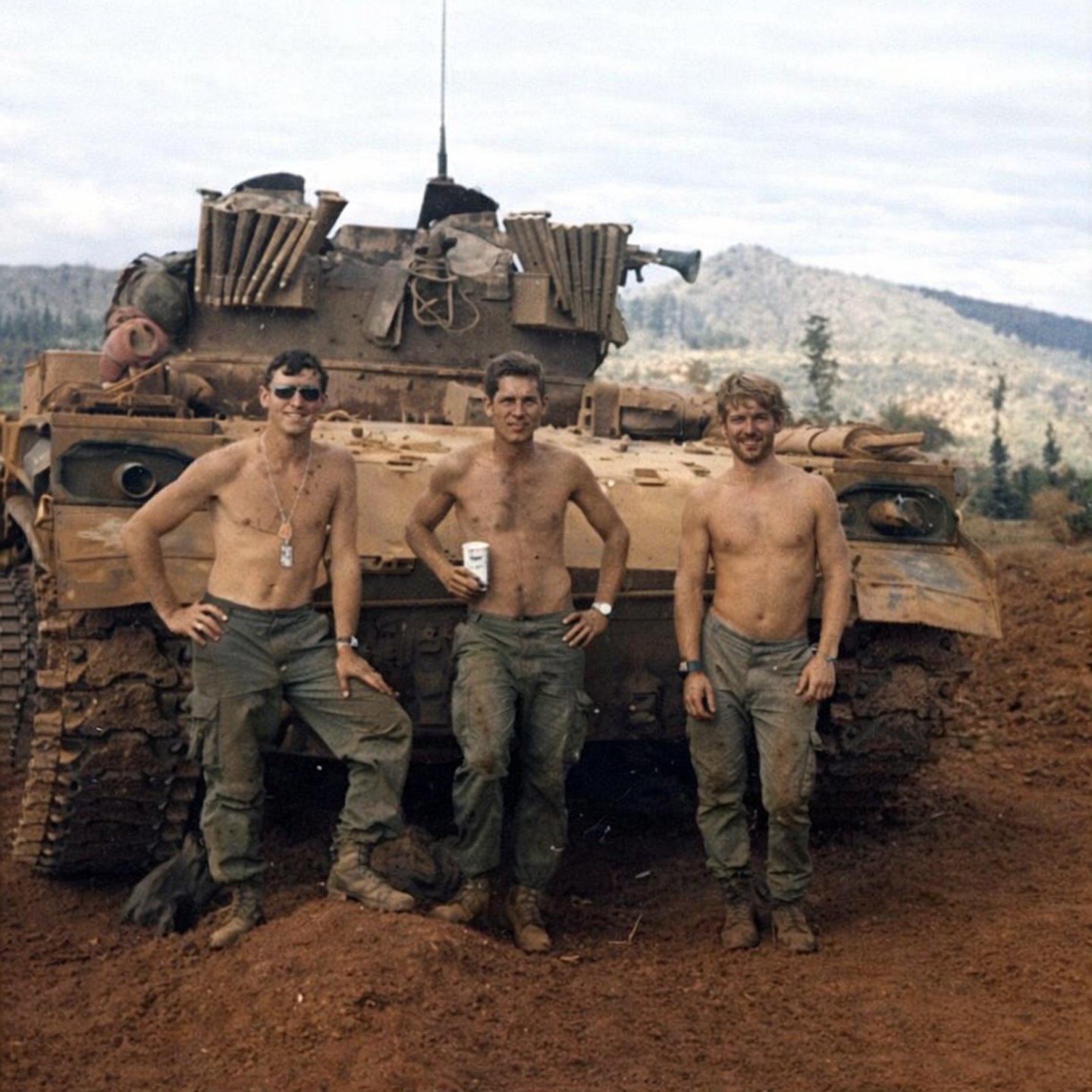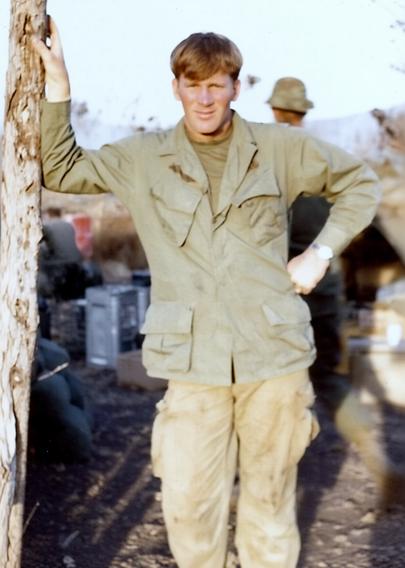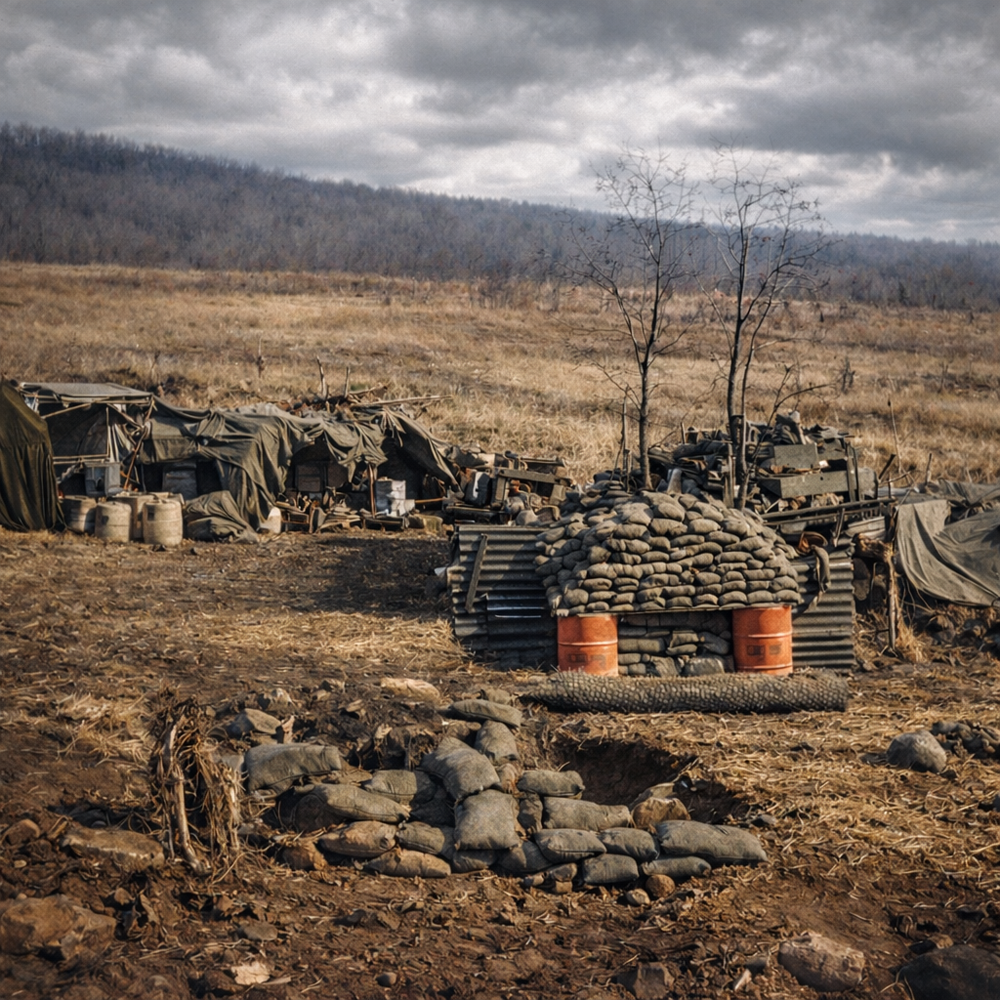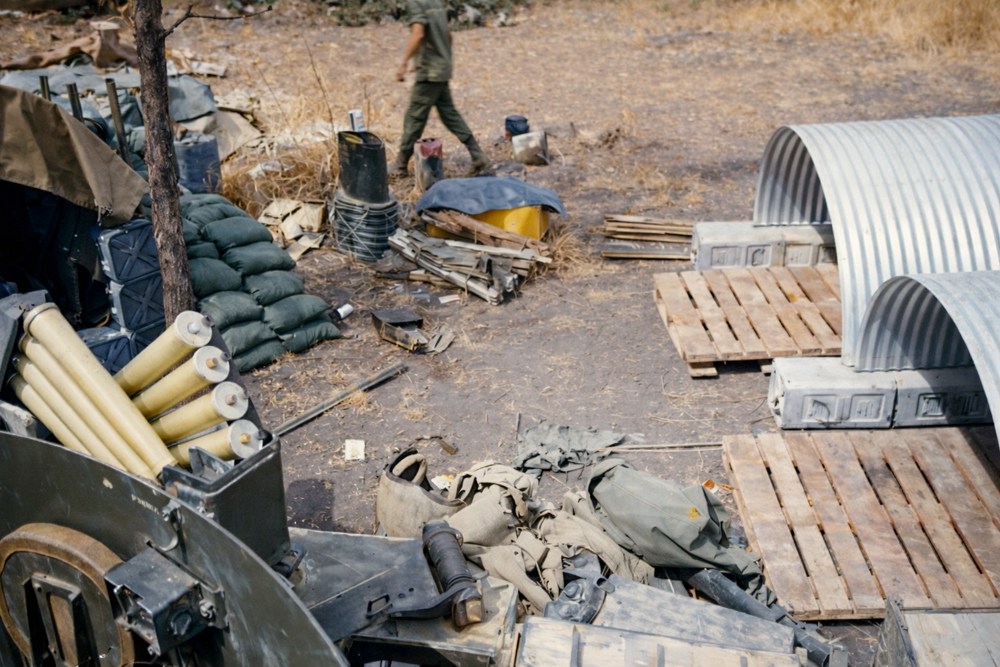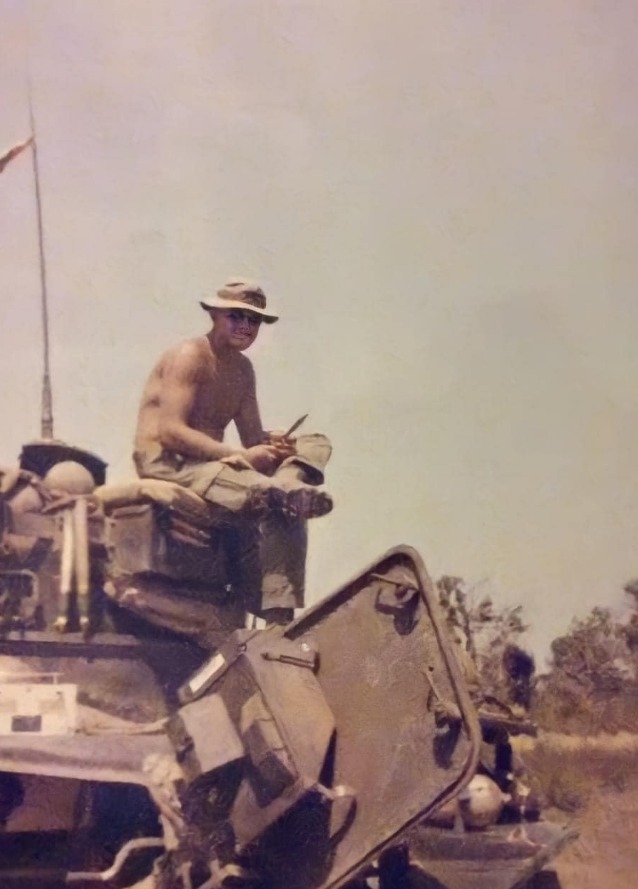
Bruce Geiger, 1LT A/1/44 and Joseph Belardo SGT C/1/44
Battle Information source is wikipedia
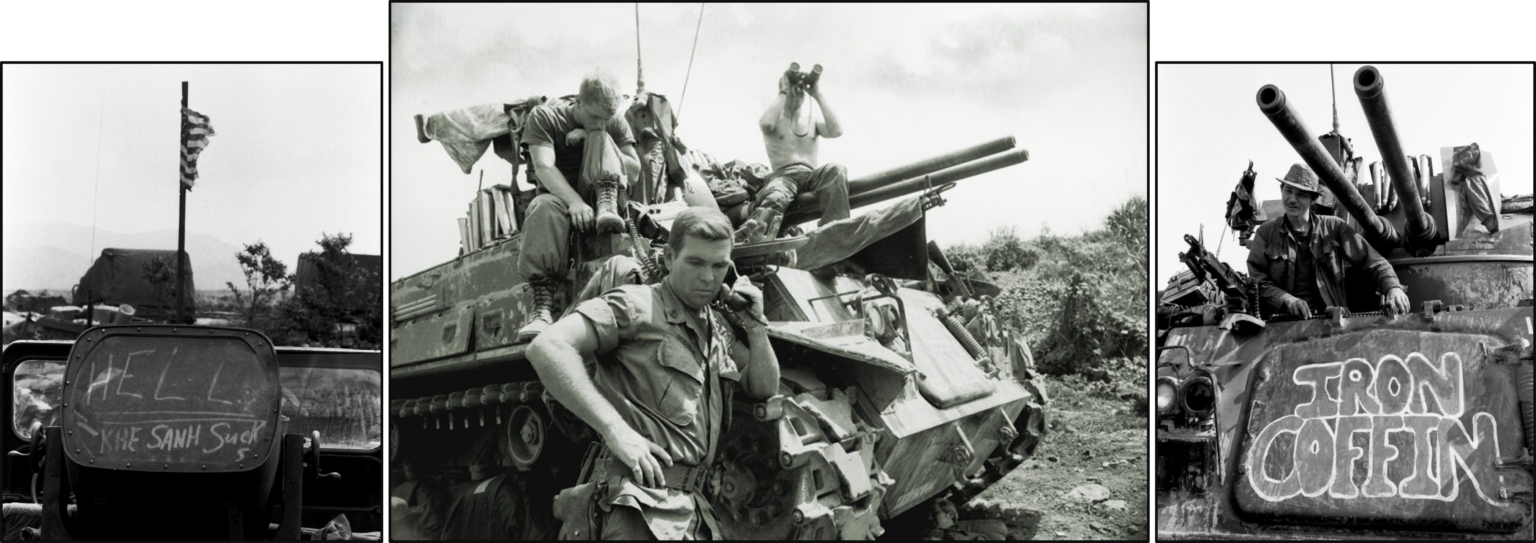
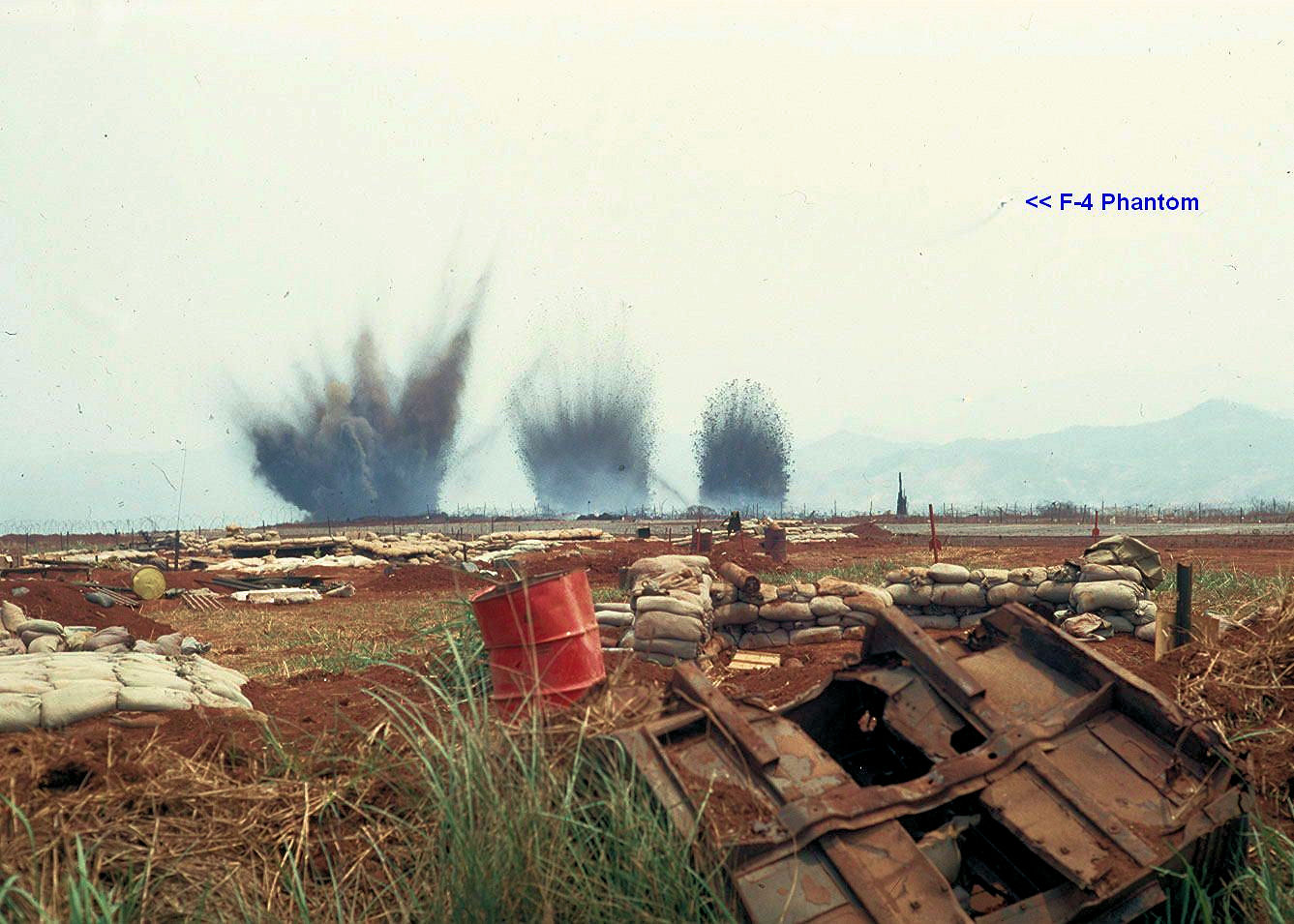
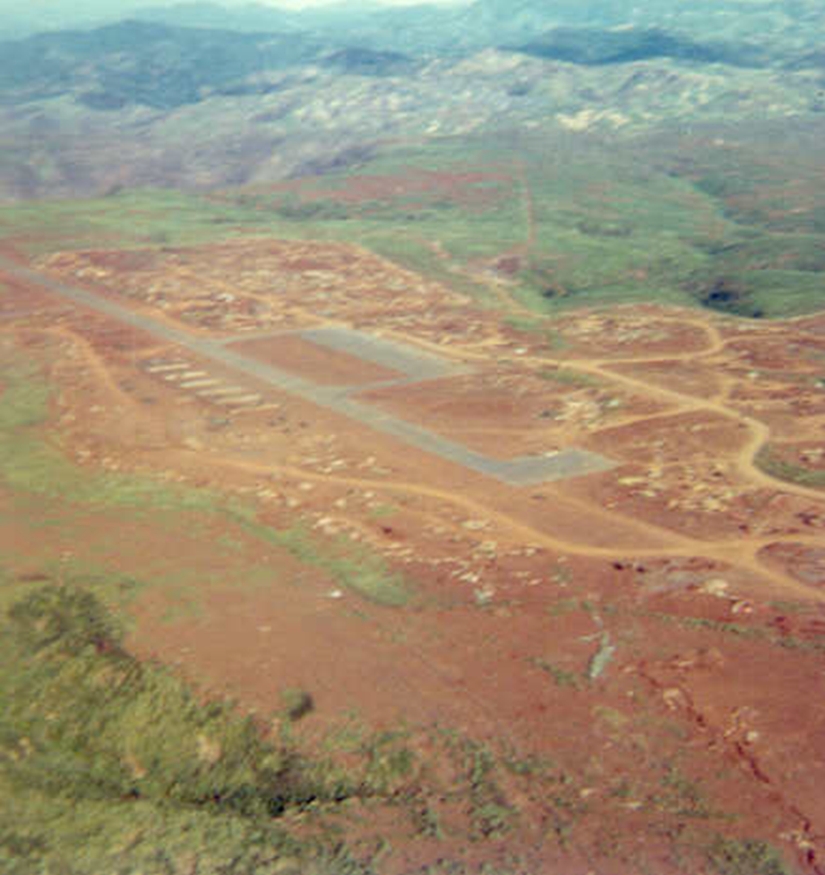
The Battle of Khe Sanh (21 January – 9 July 1968) was conducted in the Khe Sanh area of northwestern Quang Tri Province, Republic of Vietnam (South Vietnam), during the Vietnam War. The main US forces defending Khe Sanh Combat Base (KSCB) were two regiments of the United States Marine Corps supported by elements from the United States Army, the United States Air Force (USAF) and the Royal Australian Air Force (RAAF), as well as a small number of Army of the Republic of Vietnam (ARVN) troops. These were pitted against two to three divisional-size elements of the North Vietnamese People’s Army of Vietnam (PAVN).
On 21 January 1968, the PAVN surrounded and besieged the Marine base. In the ensuing five months, KSCB and the hilltop outposts around it were subjected to daily PAVN artillery, mortar, and rocket attacks, and several infantry assaults. More than 274 U.S. troops were killed and more than 2,500 wounded.
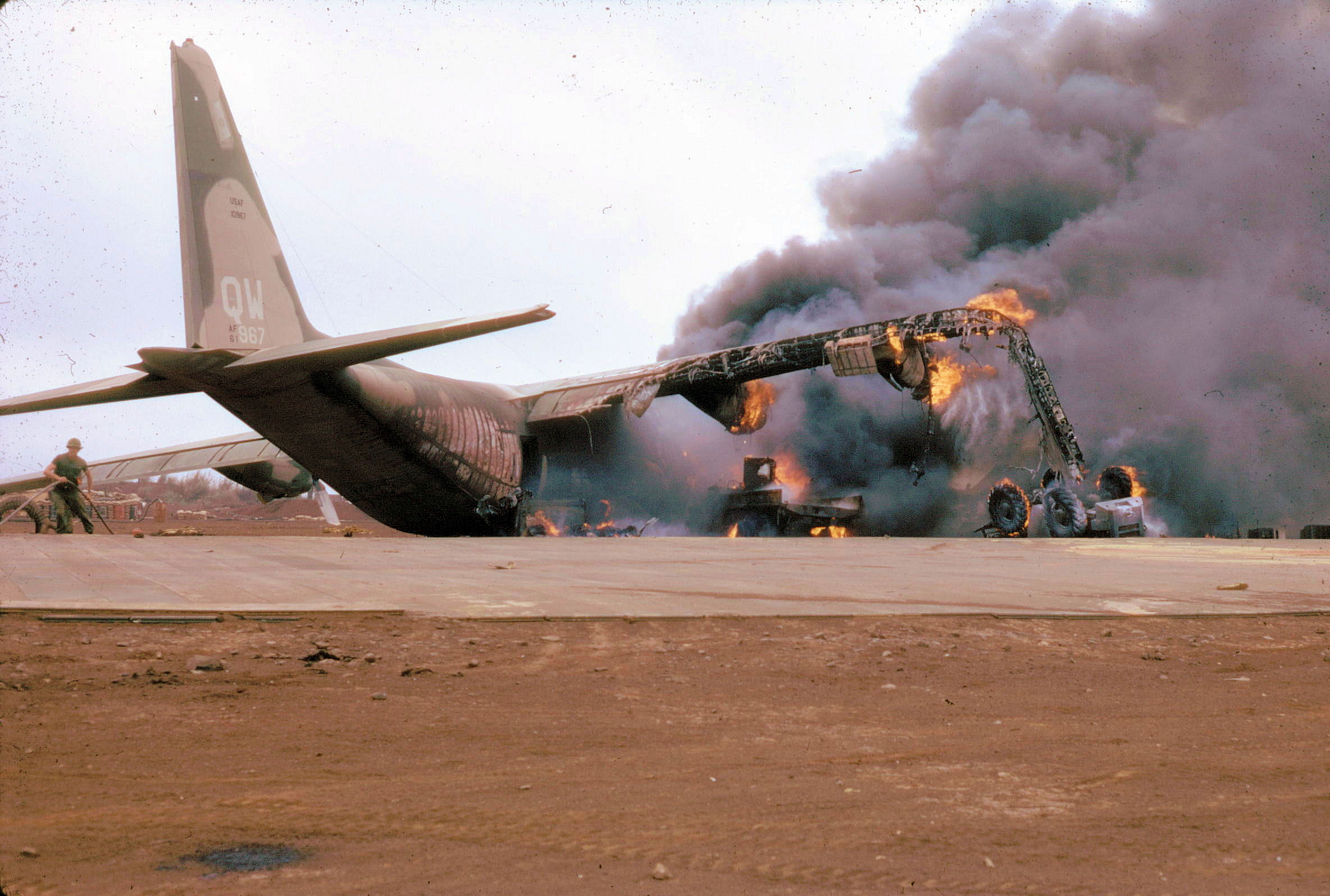
To support the Marine base, the USAF undertook Operation Niagara, a massive aerial bombardment campaign. In the first three months, over 114,810 tons of bombs were dropped by US and allied[21] aircraft and over 158,900 artillery rounds were fired in defense of the base. US forces lost one KC-130, three C-123 and 35 helicopters, while another 23 aircraft and 123 helicopters were damaged.
In March 1968, a combined Marine–Army/ARVN task force launched an overland relief expedition (Operation Pegasus) that eventually broke through to the Marines at Khe Sanh.
On 19 June 1968, the evacuation and destruction of KSCB began. Amid heavy shelling, the Marines attempted to salvage what they could before destroying what remained as they were evacuated. Minor attacks continued before the base was officially closed on 5 July.
Duster and Quad operations
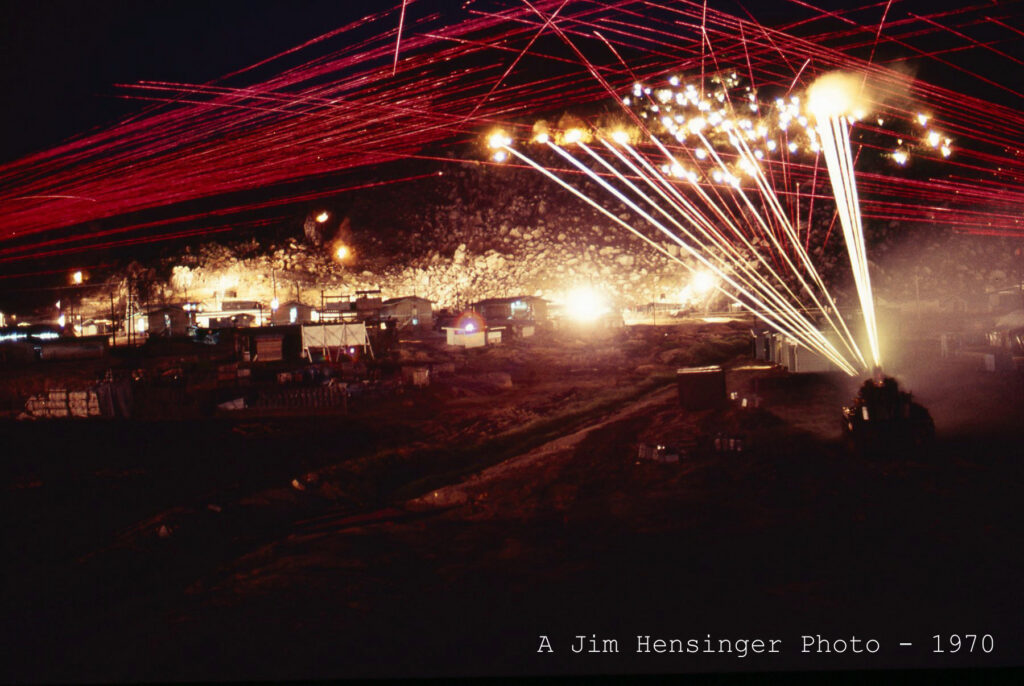
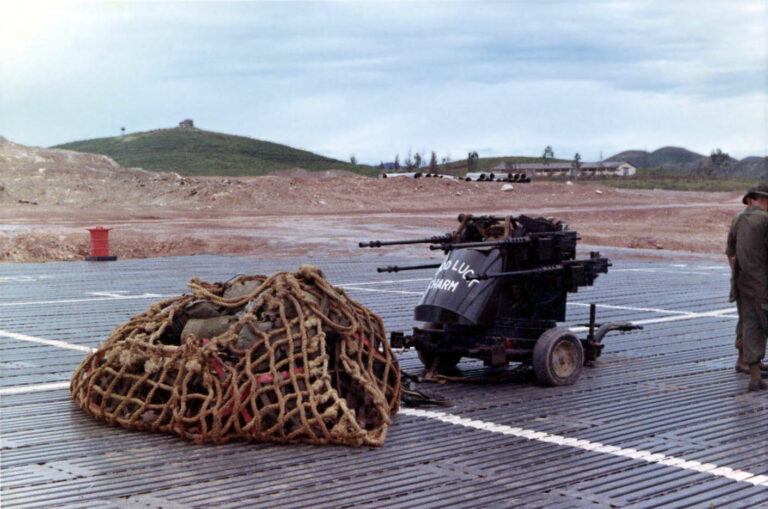
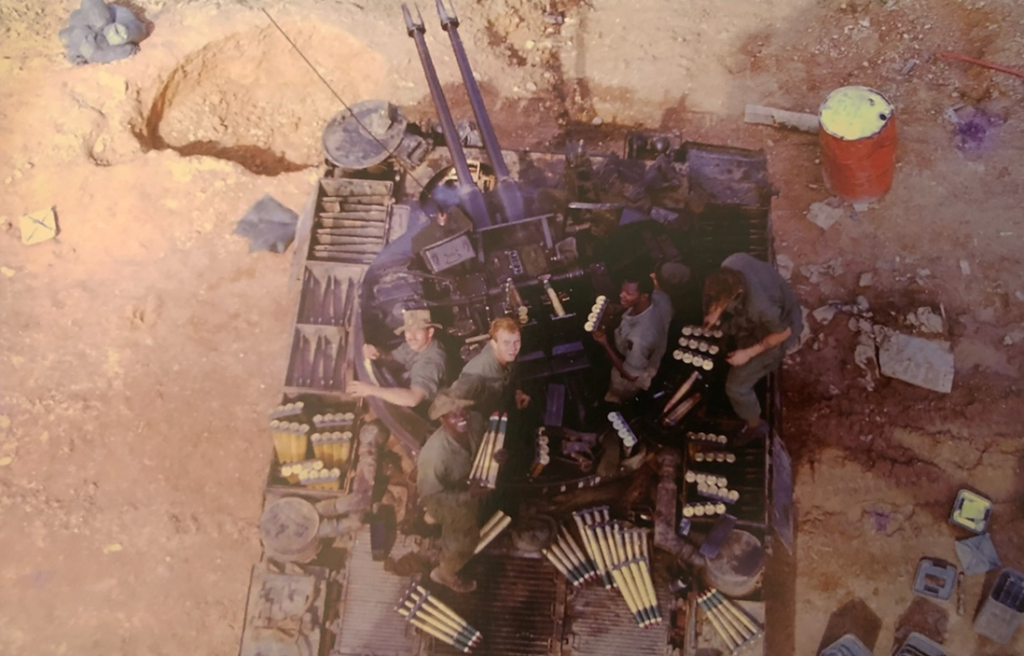
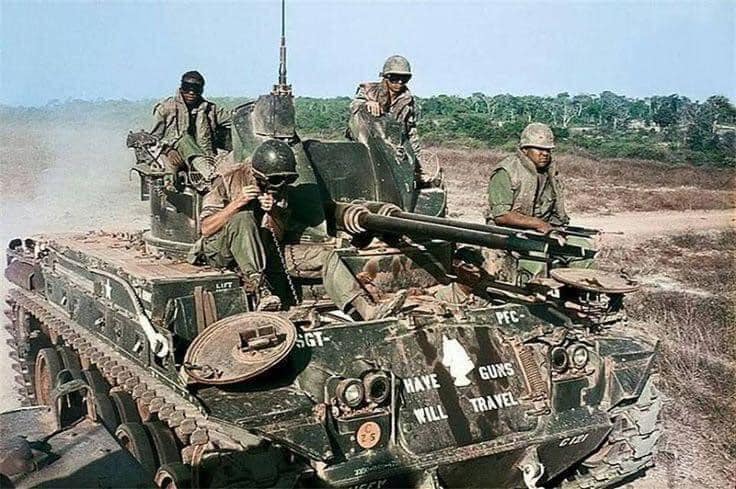
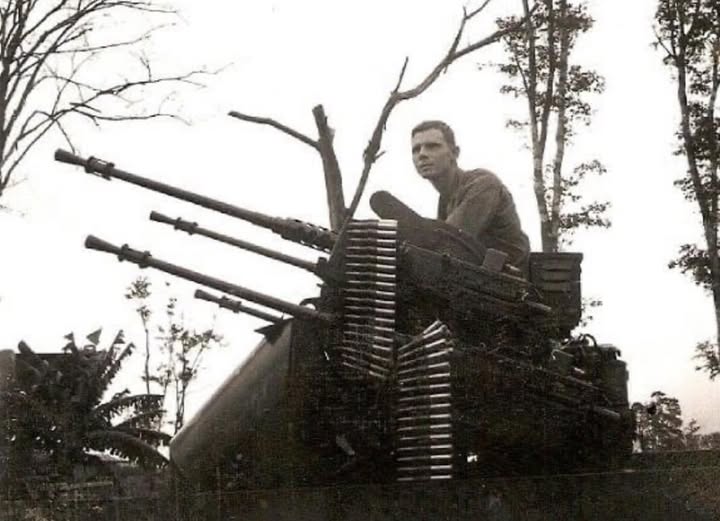
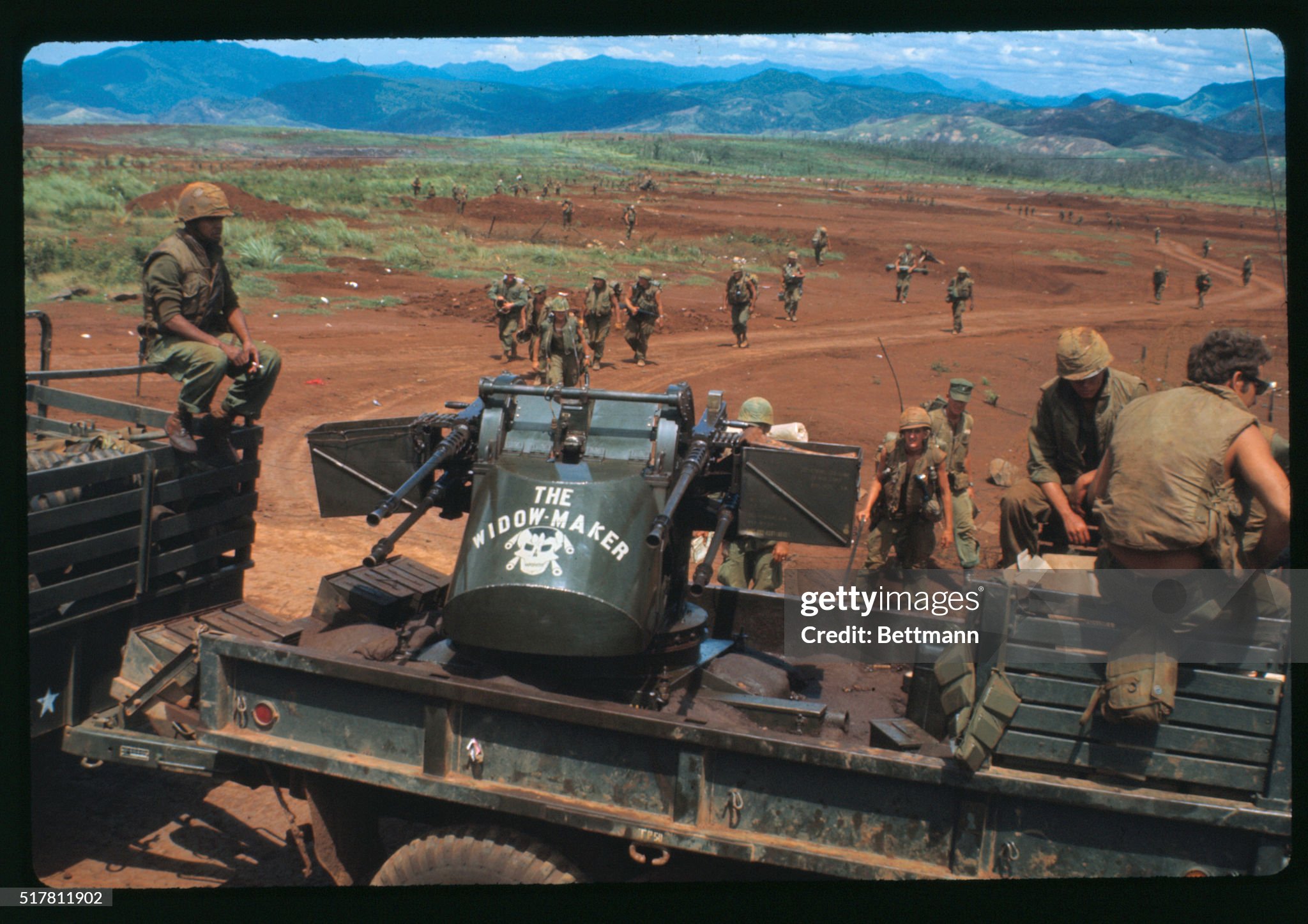
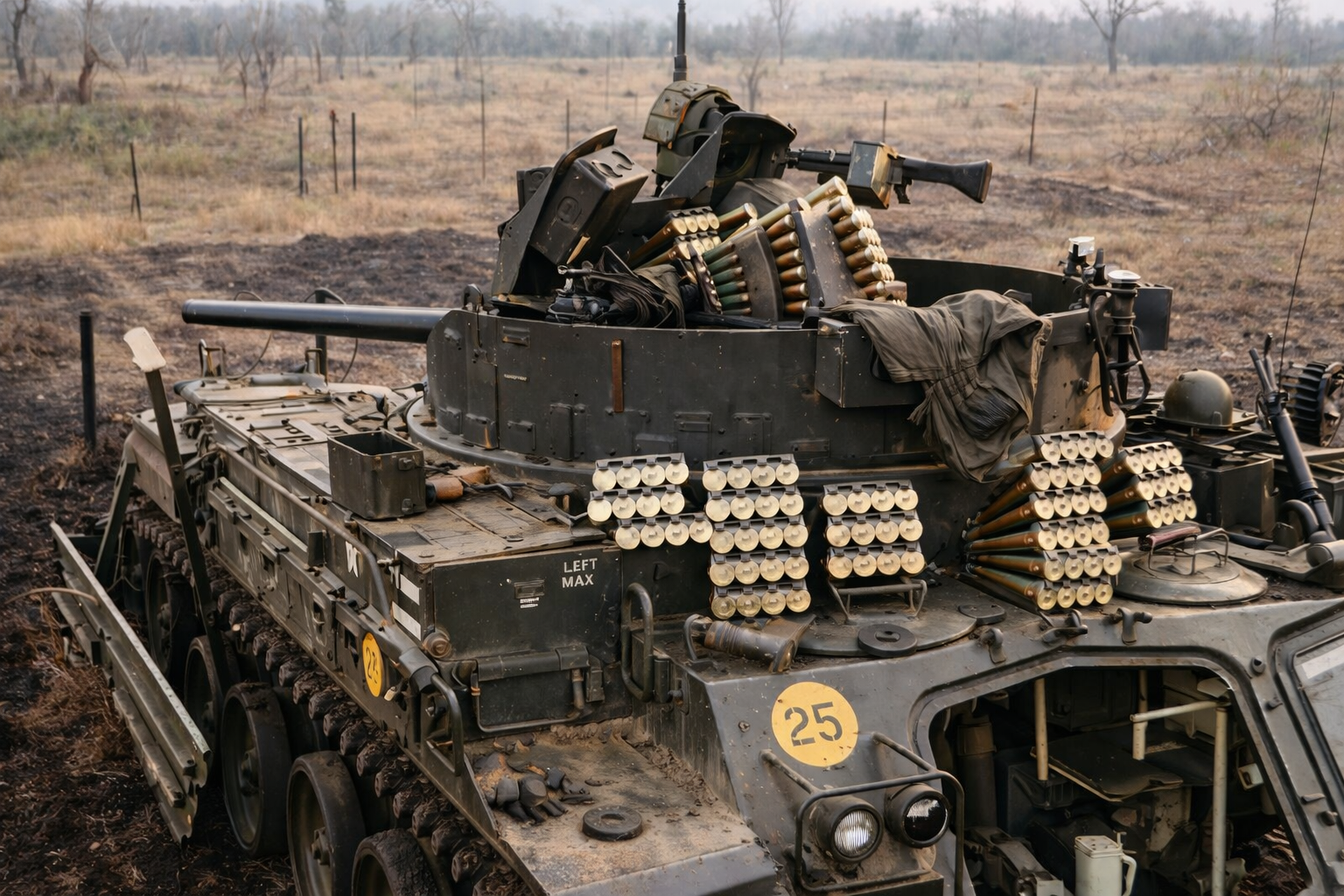
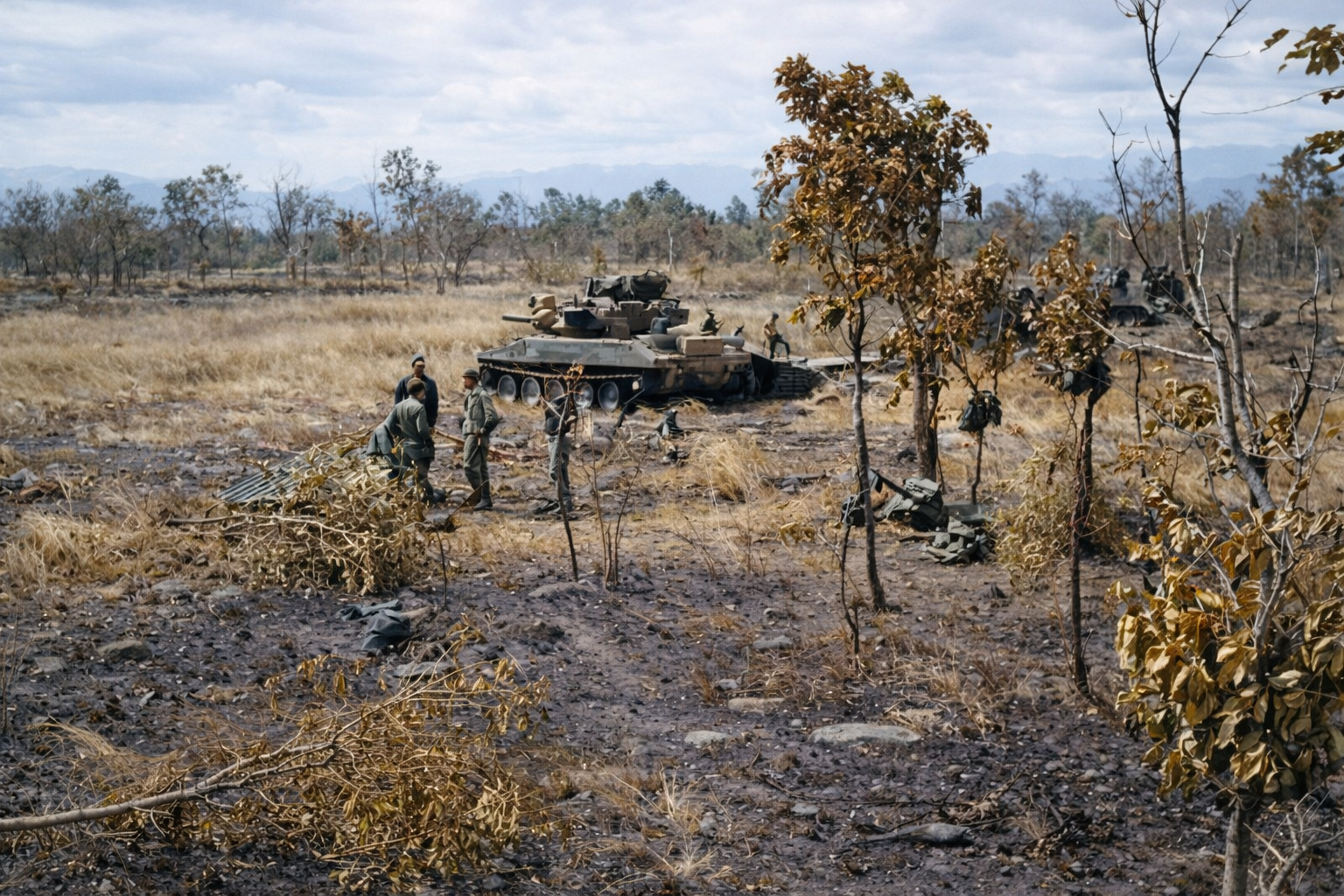
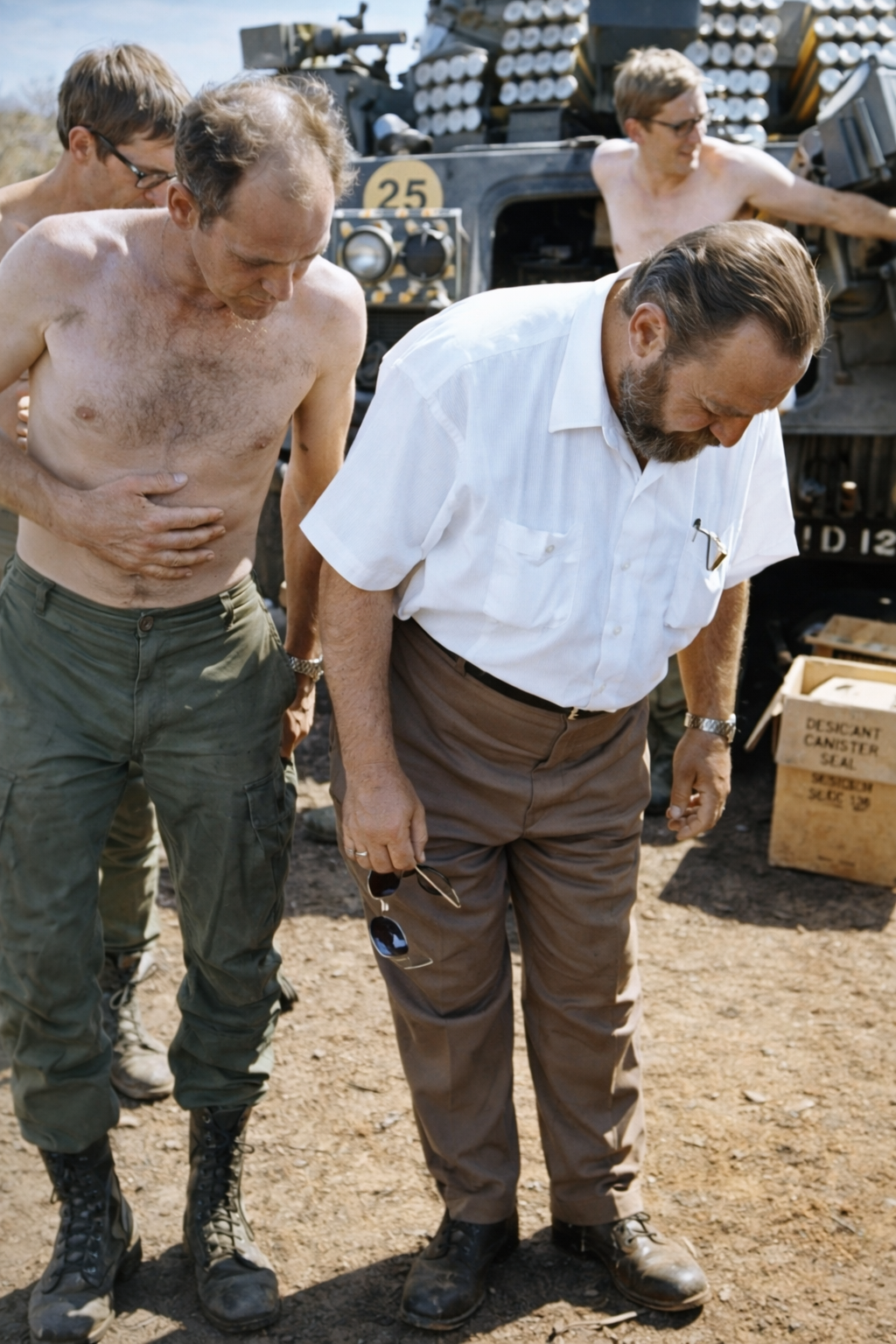
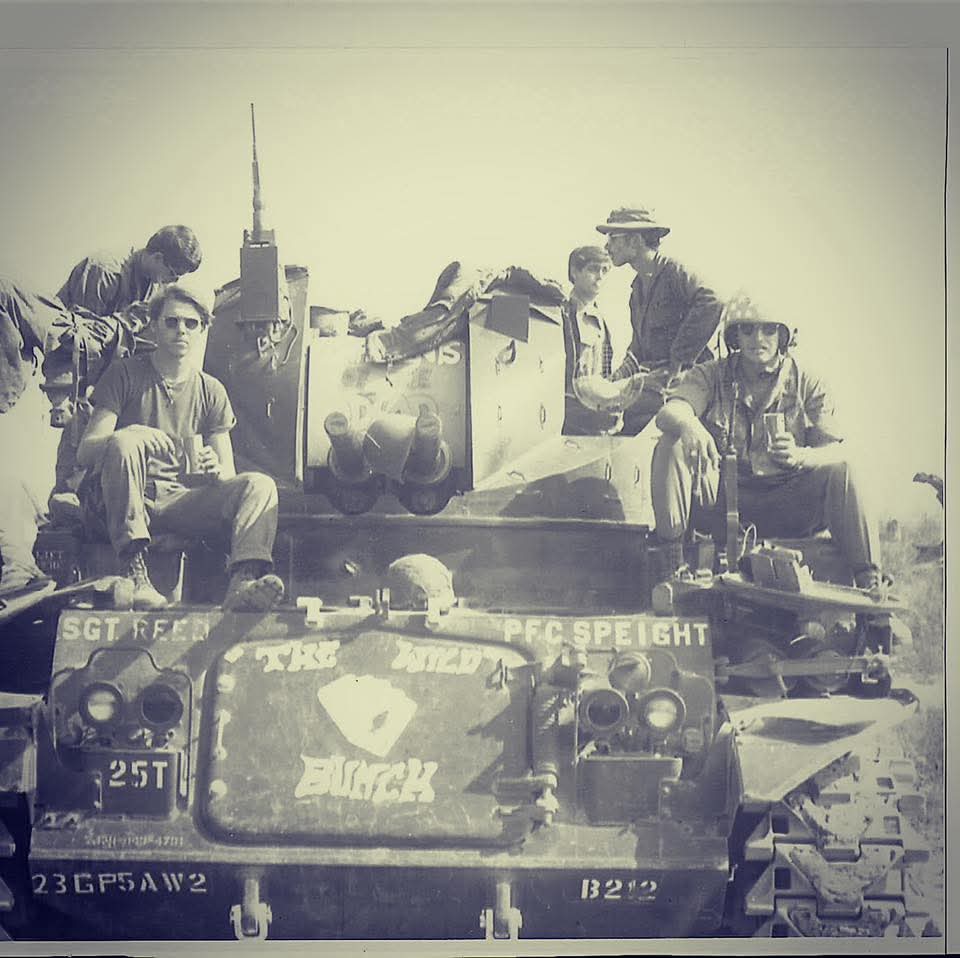
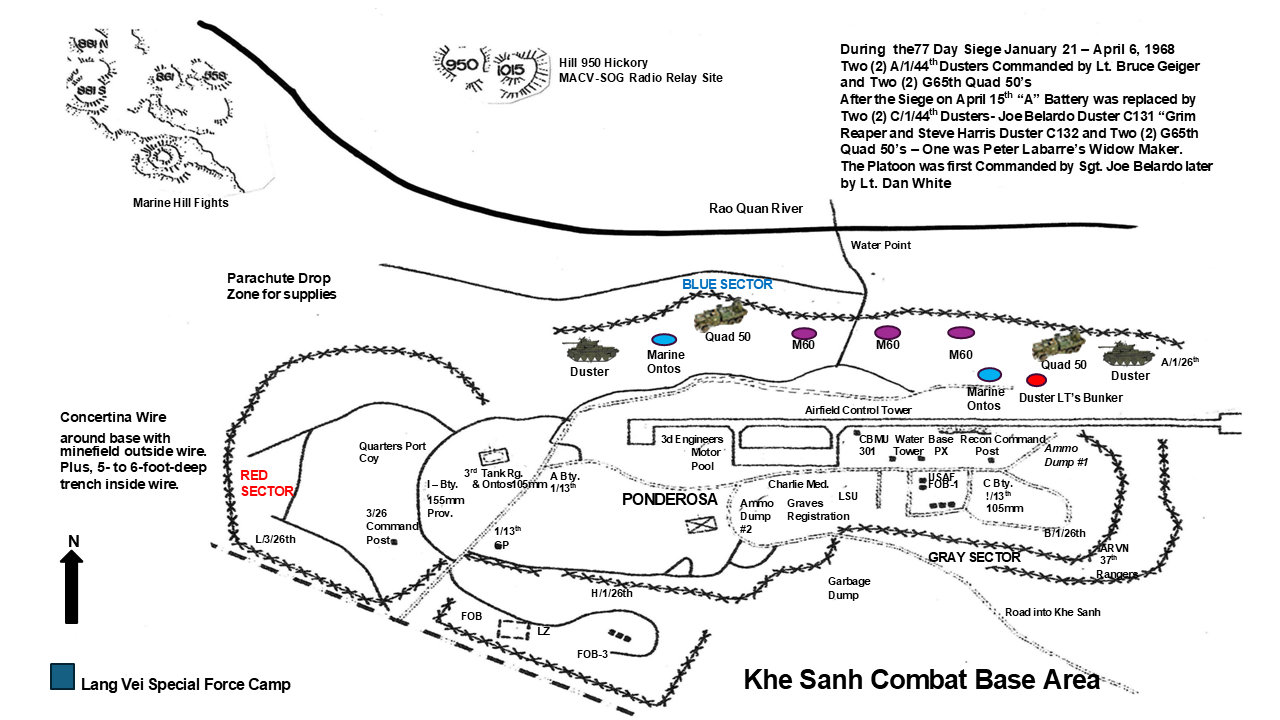
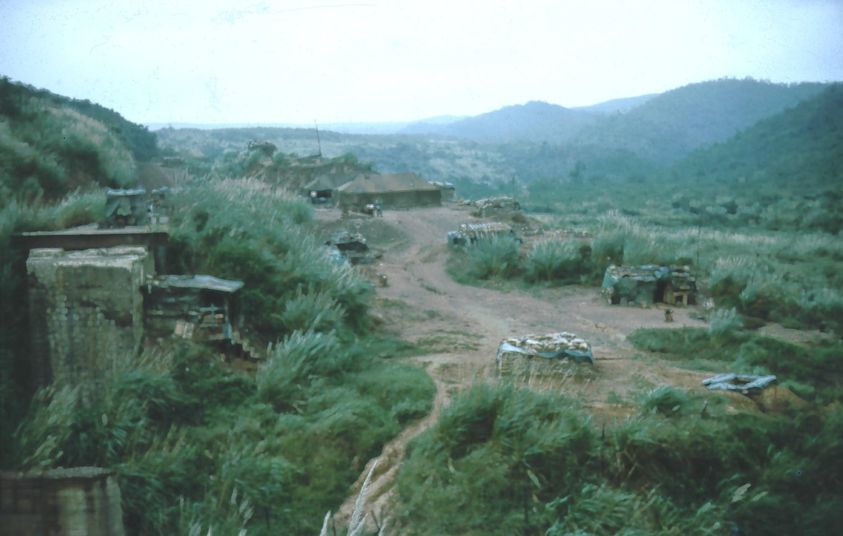
1LT Bruce Geiger A/1/44 was the platoon leader with two Dusters and two Quad 50s from Alpha Battery, 1st Battalion, 44th Artillery during the 75 day siege. SGT Joe Belardo C/1/44 was the squad leader of Duster C131 and acting section chief over C132 when Charlie Battery relieved Alpha Battery and LT Geiger’s platoon as part of Operation Pegasus. Joe stayed to the end providing security and assisting with the dismantling of KSCB, so that nothing of military value would be left to the enemy. Both have written extensively about Khe Sahn and their stories are on the NDQSA Heritage page.
Your NDQSA webmasters
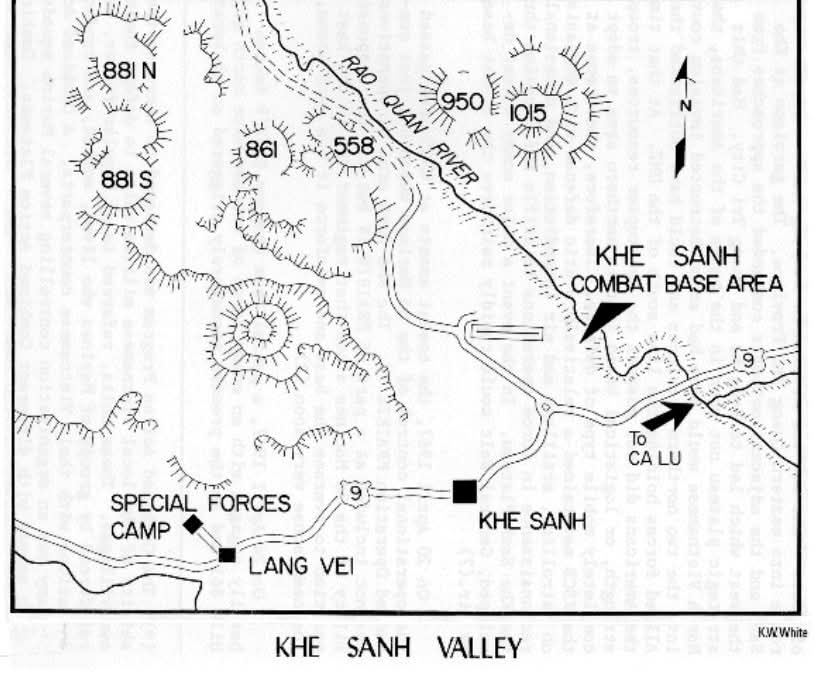
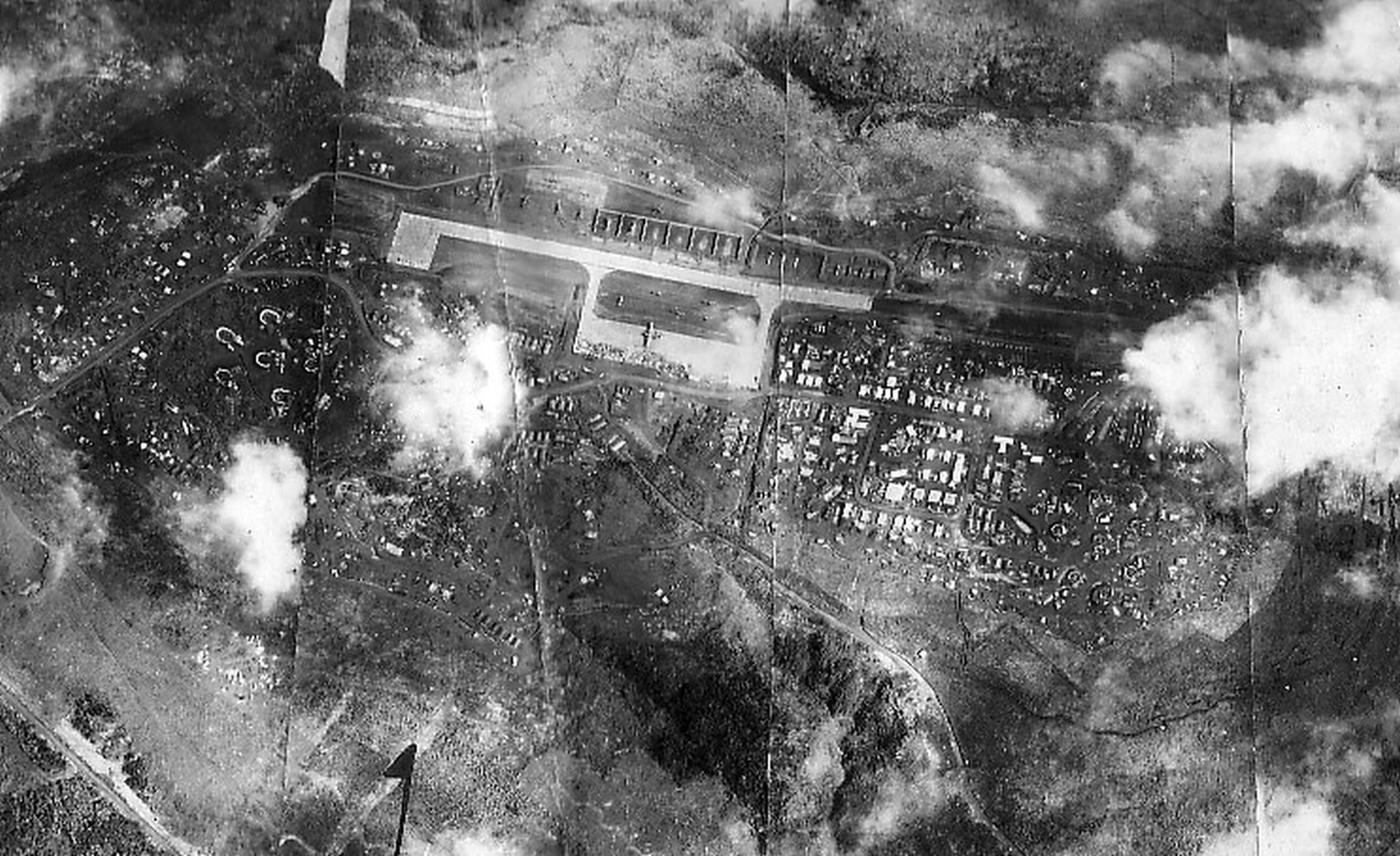
Your webmasters asked them to mark the Duster and Quad locations on a drawn map of Khe Sahn. They went far beyond this request and provided photos and additional information that clarifies the Duster and Quad role in the defense of Khe Sahn. The webmasters are also including a link to a 2005 article on the Warfare History Network website titled “The Marines and North Vietnamese at Khe Sahn” and an archived copy in case the Warfare History Newtwork website is discontinued. Warfare History Network The Marines and North Vietnamese at Khe Sanh
Click on photos in the gallery below to expand and read the caption.
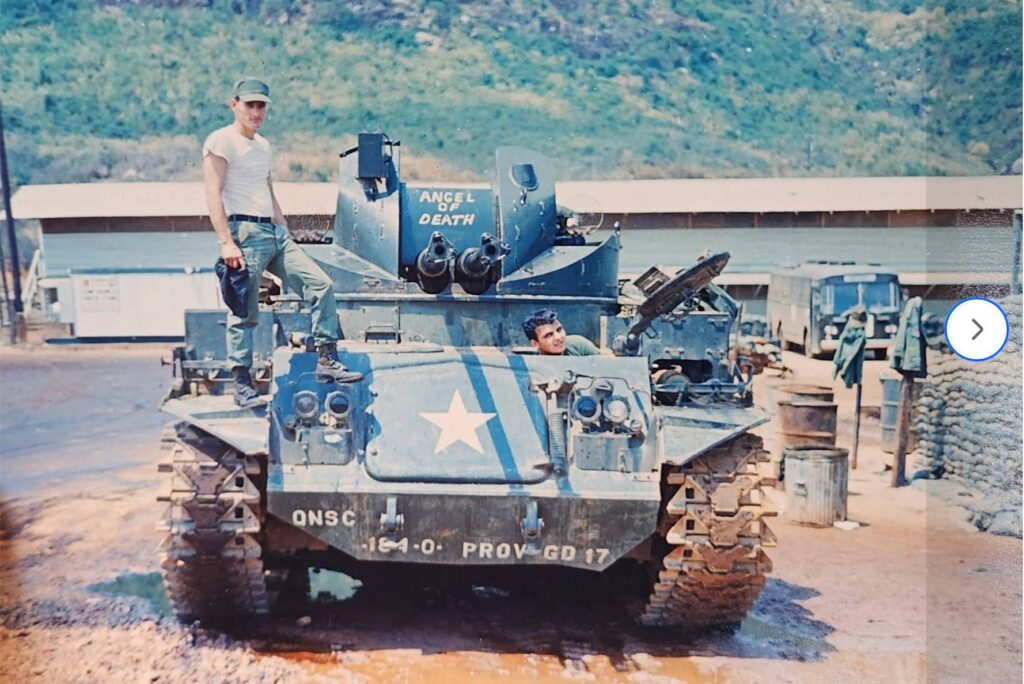
Warren Lo Cascio Delta Battery, 5th Battalion, 2nd Artillery 66-67 Sp4
This brings to mind an experience that happened in 1967 ( sometime around April). I was on D41’s crew at Dau Tieng and it was time for an ammo replenishment run to Bearcat. There were two tracks D40 and D41 (5/2). It was D40’s turn to pull the ammo trailer. We (D41) led the way! It was probably an hour drive from Dau Tieng to the port to pick up the ammo and it was early in morning. Pretty much routine. When we arrived, D40 disconnected the trailer and it was brought over to be filled with 40mm ammo. When it came time to re-couple, it would not connect? They tried numerous times to no avail! Our track finally came over and hooked up and we were on our way back, D40 now leading the way! There was an open stretch of the road coming up and I noticed some of the locals on their bicycles off to the side of the road. I made a mental note of them, they looked suspicious, with their eyes looking to the ground, not making eye contact, the road empty ahead? We passed them and continued, D40 picking up speed, engine screaming! We fell back, slower because of the trailer.
That’s when D40 hit the mine! It disappeared in a cloud of smoke and the 24 ton track was thrown off the road, into the brush by the massive explosion!
We immediately stopped and I manned the guns while my crew went over to help the other crew. The only casualty was the Track Commander (TC) of D40, who had been sitting outside the right hatch (one leg inside and one outside). The mine had detonated under the right road wheel, taking a 5 gal. water can stowed just to the rear of the Sergeant, into the air! He was hit in the face with pieces of metal from the can! Also, the driver had suffered a concussion from the hatch breaking loose and hitting him on the head! Luckily, he was wearing his helmet! They radioed for a dustoff chopper. In the meantime, I realized, when trying to unlock the turret, that the pin was jammed (this had been a problem before, but we didn’t have time to have it fixed). The turret was jammed in the forward position! Making my main guns useless! I yelled to my gun crew member to come up and help me, but the two of us trying, were not able to free the pin! I manned the m60 machine gun instead, waiting for the follow up enemy attack which was a normal scenario. Nothing else happened? The chopper came and gave the TC first aid, then took him away! There was a quiet moment. The locals that where by the side of the road, rode past us on their bicycles, still not making eye contact. That’s when I realized that they must have known the road was mined ahead!
When we finally got to check the road, judging from the crater, we believed it was from a 120mm mortar round, probably “Remotely” Detonated! We radioed for a truck to pick up the ammo trailer. Then we attached a tow cable to D40 and proceeded to tow it back to camp. It took hours to do this because of the damage! We arrived at Dau Tieng just before dark!
The TC was evacuated to Japan, requiring extensive facial surgery with hundreds of stitches. He did return to duty after a few months. He aged significantly from his injuries!
Everyone lived that day!
God was looking over all of us!
Click on photos in the gallery below to expand and read the caption.
Bill Sturgeon Alpha Battery, 5th Battalion, 2nd Artillery 68-69 SGT 16F40
(Bill Sturgeon) The Vulcans showed up at A 5/2 in January 1969. I was the track commander on A-112. On the convoy out of Phu Loi the big boy (tank) in the lead was hit but the Vulcans opened fire and quickly broke up the ambush. The 20mm had to call for resupply after this first encounter. Lessons learned. I took a few photos.

(editor) The Vulcan Air Defense system (XM-163) mounted the Vulcan M16A1 six barreled 20mm gatling gun on a converted M113A1 chassis. The gun system was capable of firing at 3,000 rounds per minute in short bursts of 10, 30, 60, or 100 rounds, or it could fire in continuous fire mode at a rate of 1,000 rounds per minute. A linkless feed system was used that required swiveling the mount sidewise into an out of battery position to reload the fixed magazine drum. The feed drum held 1,200 rounds ready to fire, with 800 rounds stowed in reserve on the wall of the APC. The 28 person test unit was attached to the 5/2nd Artillery operating out of Long Binh and was supplemented by soldiers from the 5/2nd Artillery. In Vietnam they were used mainly in a convoy escort role to test the Vulcan’s suitability for the ground combat role.
Click on photos in the gallery below to expand.
D/4/60 60-71 SP4 2nd Platoon LZ Schueller
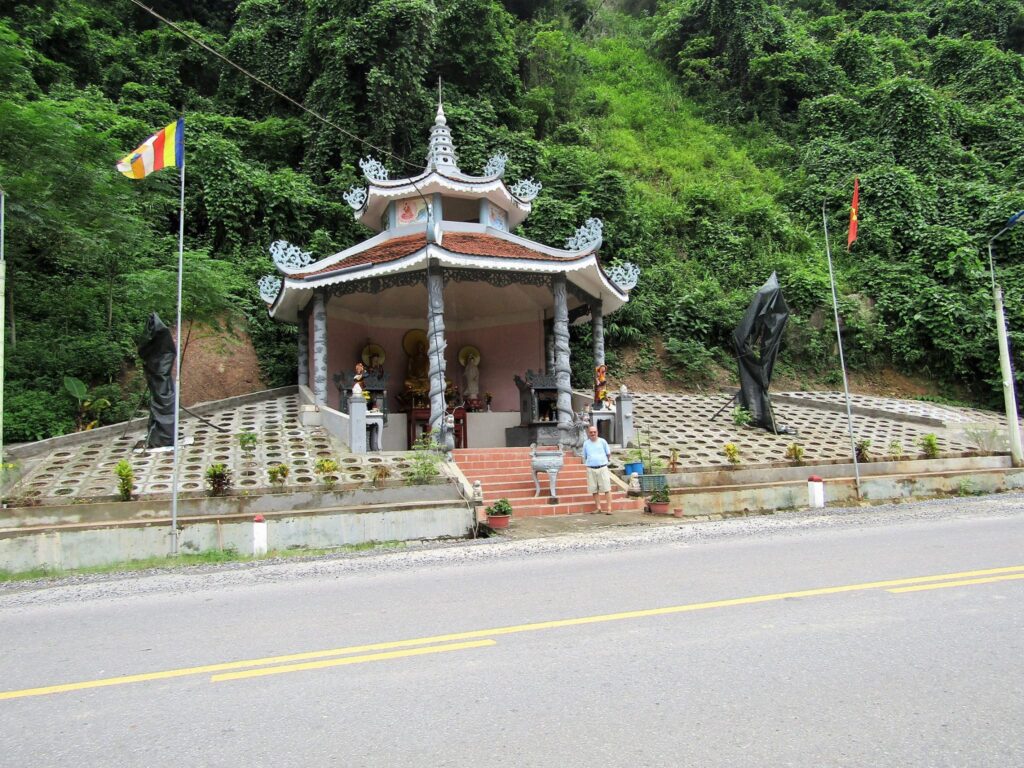
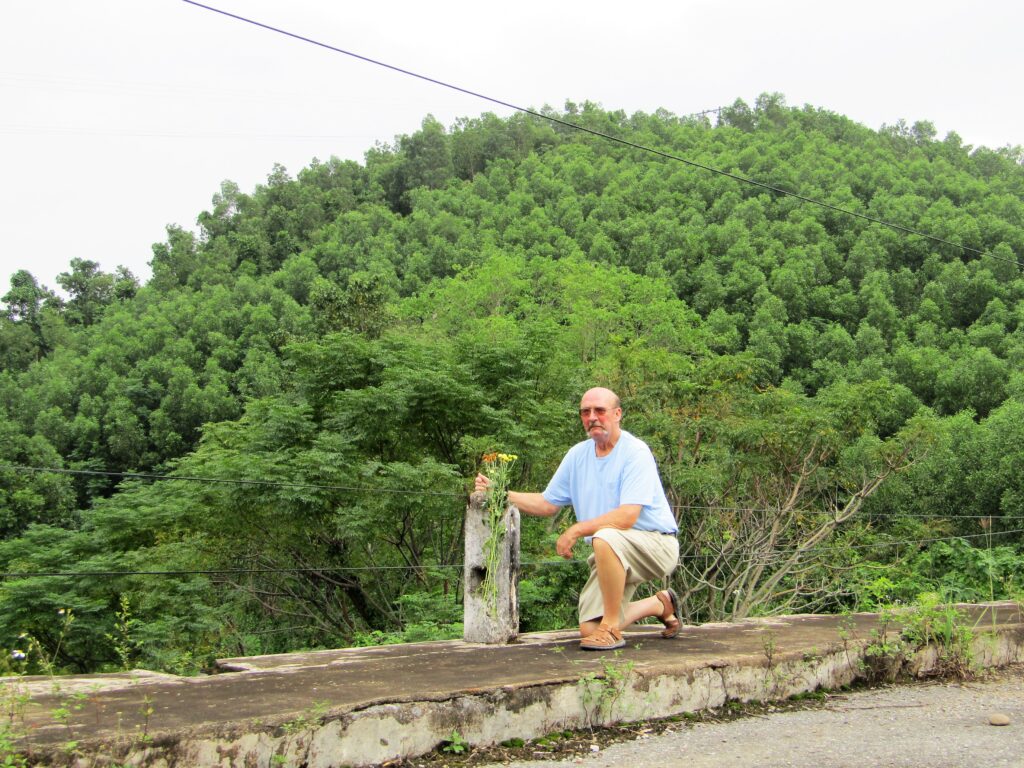
Joe Belardo put together this theme photo album focused on Khe Gio Bridge Outpost from his personal photographs and those shared with him by NDQSA members and other Veterans. He has included photo descriptions.
Toggle Content